
PHILOSOPHY FOR REAL LIFE

Philosophy isn’t just for scholars or abstract debates—it’s a powerful tool for thinking clearly, making better decisions, and navigating life with wisdom. This website is dedicated to practical philosophy—ideas that help with everyday challenges, personal growth, and self-reflection.

School of Examined Minds

What You’ll Find Here

Complex Ideas Made Practical

Self-Improvement Without the Fluff

Personal Reflections & Life Lessons


Philosophy isn’t just something to think about—it’s something to live by. Here, you’ll find insights from a wide range of thinkers, distilled into practical wisdom you can actually use. From ancient ethics to modern existentialism, from rational decision-making to questions of meaning, philosophy offers powerful tools for navigating life.


You don’t need to study philosophy for years to benefit from it. This space is about turning big ideas into actionable insights—helping you think more clearly, make better choices, and challenge yourself to grow.


If that sounds like something for you, why not start with the latest blog post?

SUBSCRIBE NOW

Subscribe to The Examined Mind Newsletter and explore practical philosophy for real life—no abstract theory, just insights that help you think deeper, grow stronger, and navigate life with wisdom.


Timeless ideas, modern perspective

Philosophy you can actually use

No fluff—just thought-provoking content

QUOTE OF THE DAY

QUOTE OF THE DAY

LATEST ARTICLES

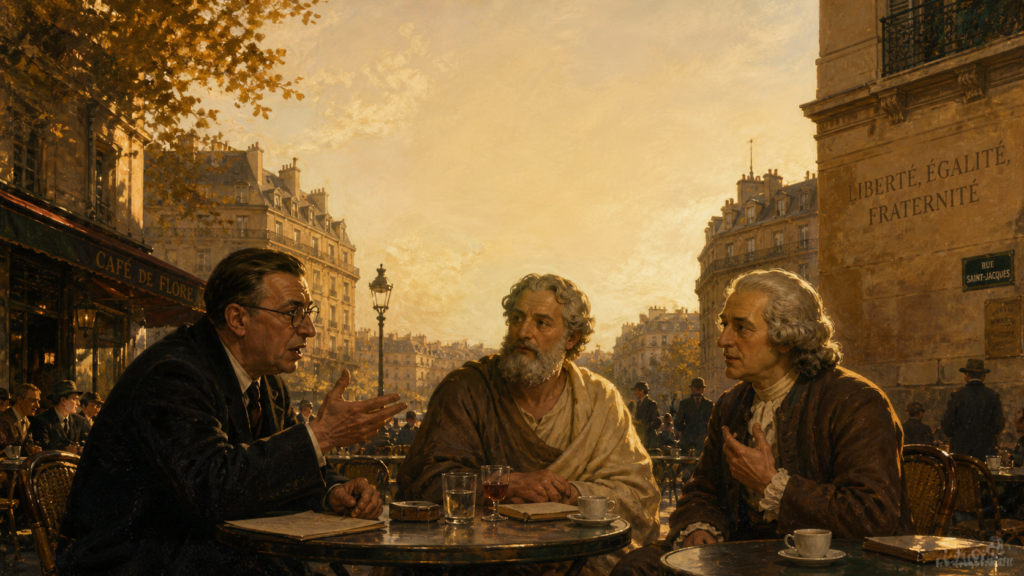
  • Philosophy in Paris: The Price of Freedom

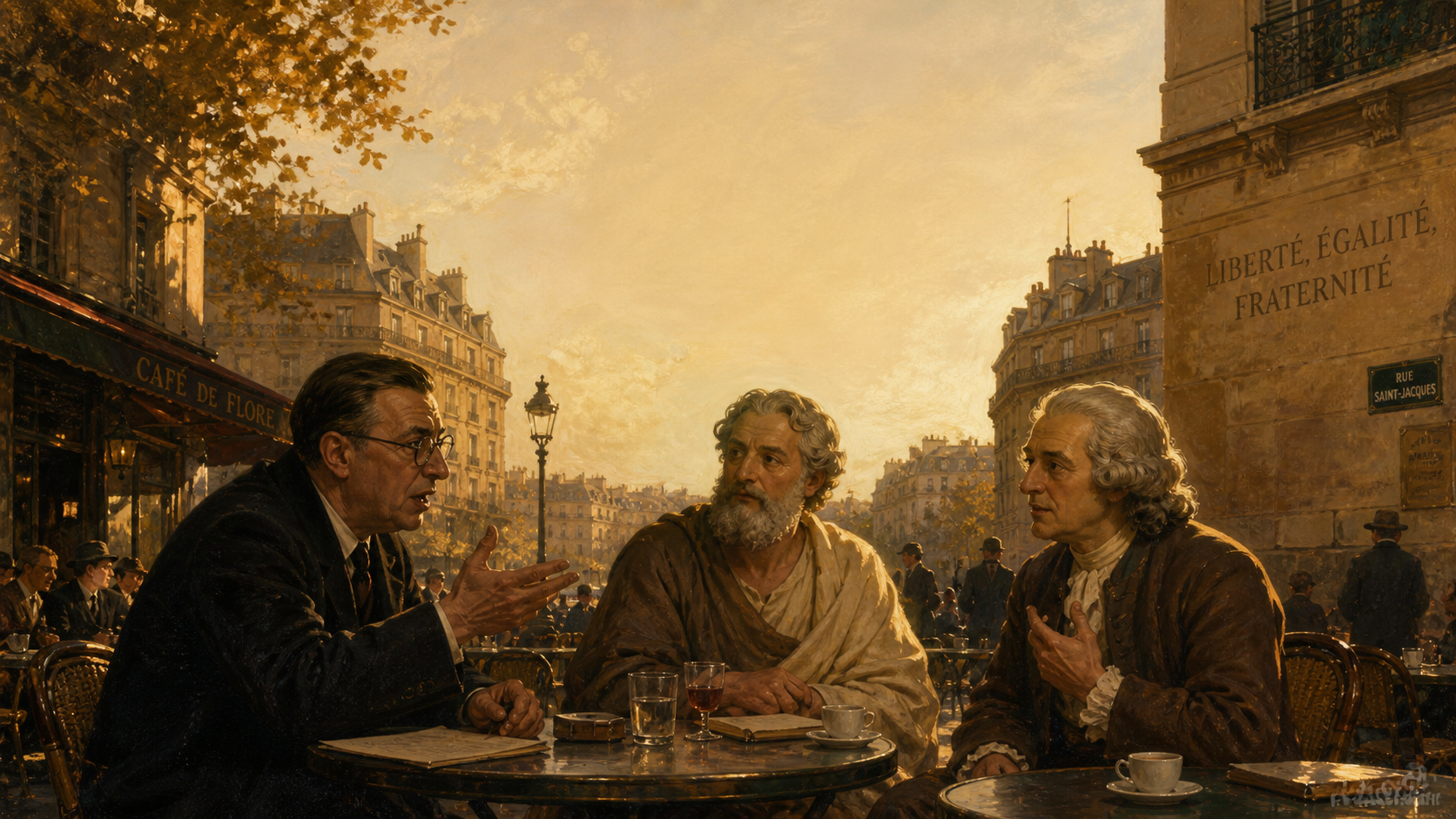
    Sitting on a Paris café terrace, a simple debate about freedom turned into something far more uncomfortable: what if we’re not as unfree as we think? Drawing on Jean-Paul Sartre, Epictetus, and Jean-Jacques Rousseau, this piece explores why freedom often feels like a burden, how much control we actually have, and whether what we call “lack of freedom” is really just avoiding responsibility.

  • The Problem with Turning Philosophy into One-Liners

    Philosophy wasn’t written to fit on a Minion meme. Yet somehow, centuries of thought now live in Comic Sans captions and edgy one-liners. The problem isn’t that we quote philosophers. It’s that we stop there, and end up believing things they never meant.

  • The Examined Life6 months ago

    On Nature and the Possibility for People to Change

    Can people truly change, or are we just fooling ourselves by hoping they will? From ancient philosophy to everyday relationships, this piece explores the tension between hope, habit, and human nature. Featuring scorpions, Stoics, and the stories we tell ourselves, it’s a reflection on what change really takes — and what to do when it never comes.

Latest Articles

Sitting on a Paris café terrace, a simple debate about freedom turned into something far more uncomfortable: what if we’re not as unfree as we think? Drawing on Jean-Paul Sartre, Epictetus, and Jean-Jacques Rousseau, this piece explores why freedom often feels like a burden, how much control we actually have, and whether what we call “lack of freedom” is really just avoiding responsibility.

The Examined Life6 months ago

Can people truly change, or are we just fooling ourselves by hoping they will? From ancient philosophy to everyday relationships, this piece explores the tension between hope, habit, and human nature. Featuring scorpions, Stoics, and the stories we tell ourselves, it’s a reflection on what change really takes — and what to do when it never comes.

The World Examined8 months ago

What happens when a CEO thinks like a philosopher? Instead of chasing one-liners and quick wins, they pause, reflect, and act with courage and conscience. From Machiavelli’s boldness to Marcus Aurelius’ self-mastery, timeless ideas line up surprisingly well with what research shows makes the best CEOs succeed. Maybe the “philosopher CEO” isn’t a joke at all, but the model of leadership we need most.

The Examined Life11 months ago

Why is letting go so damn hard—even when it's right? Whether you're walking away from a place, a relationship, or just a version of yourself, saying goodbye isn't just emotional—it’s existential. From Kierkegaard's angst to Camus' absurd, philosophy has a lot to say about that weird, aching space between who you were and who you're becoming. In this post, I explore why we resist endings, how other people make it even harder, and what philosophers—from the Stoics to Simone de Beauvoir—can teach us about moving forward with courage (and maybe a little clarity). If you’ve ever felt stuck between holding on and moving on, this one’s for you.

What if remembering death could actually make life better? Memento mori sounds grim, but at its core, it’s a powerful reminder to stop wasting time and start living with intention. From ancient Stoics to Camus and the existentialists, this idea has shaped how philosophers face mortality — not with fear, but with clarity. This isn’t about being dark. It’s about being real.

What does it really mean to be Machiavellian? It’s not just about scheming or being ruthless. For Niccolò Machiavelli, the key to navigating chaos wasn’t cruelty — it was virtù: boldness, adaptability, and the guts to act even when the path isn’t perfect. He didn’t sugarcoat life. He showed us how to lead when things fall apart — not by clinging to ideals, but by facing reality with clarity. Because sometimes, waiting for the “right” moment is just fear in disguise.

Search
Loading

Signing-in 3 seconds...

Signing-up 3 seconds...