Philosophers
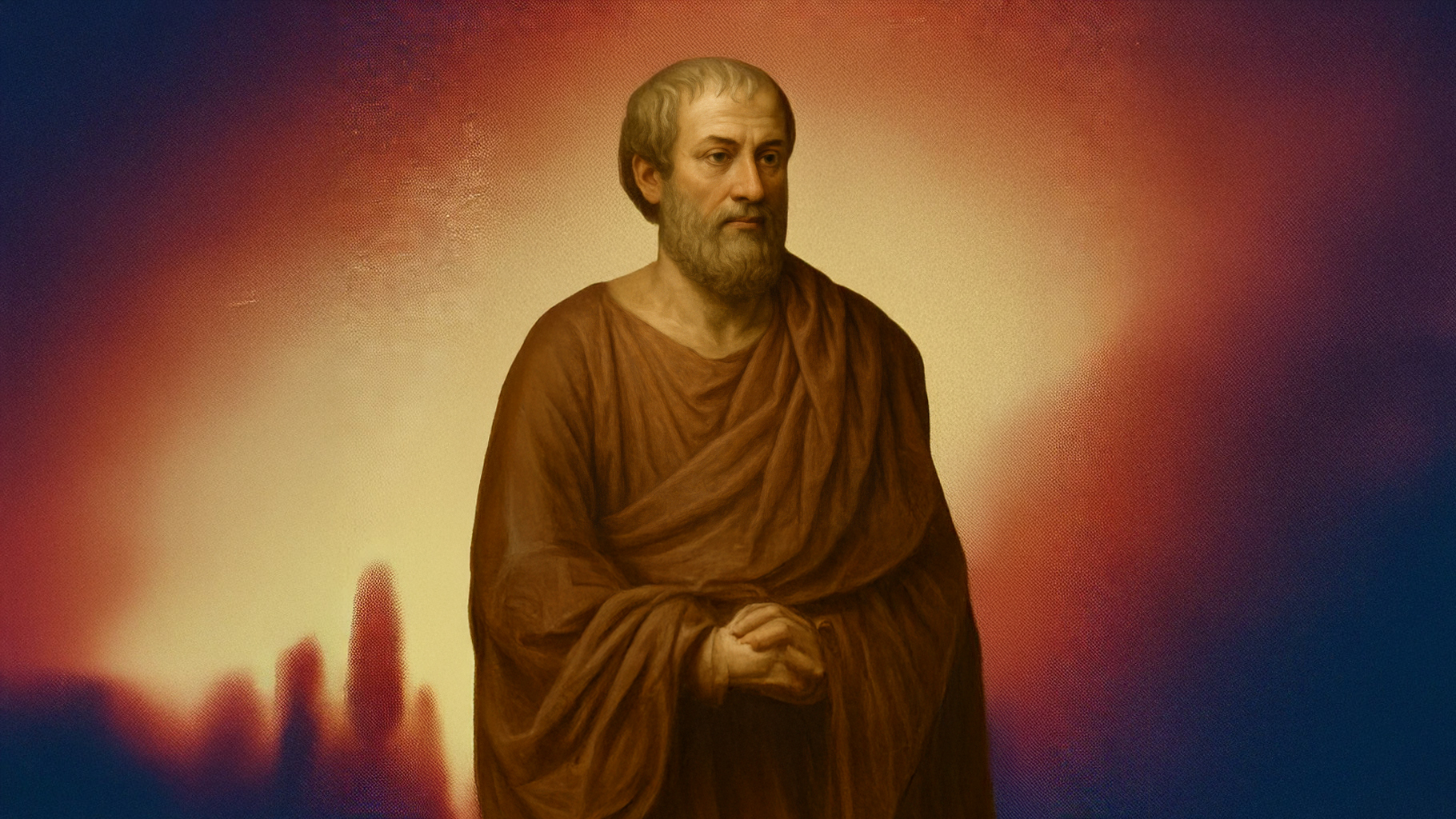
Aristotle
Student of Plato and tutor to Alexander the Great, Aristotle shaped science, logic, and ethics.
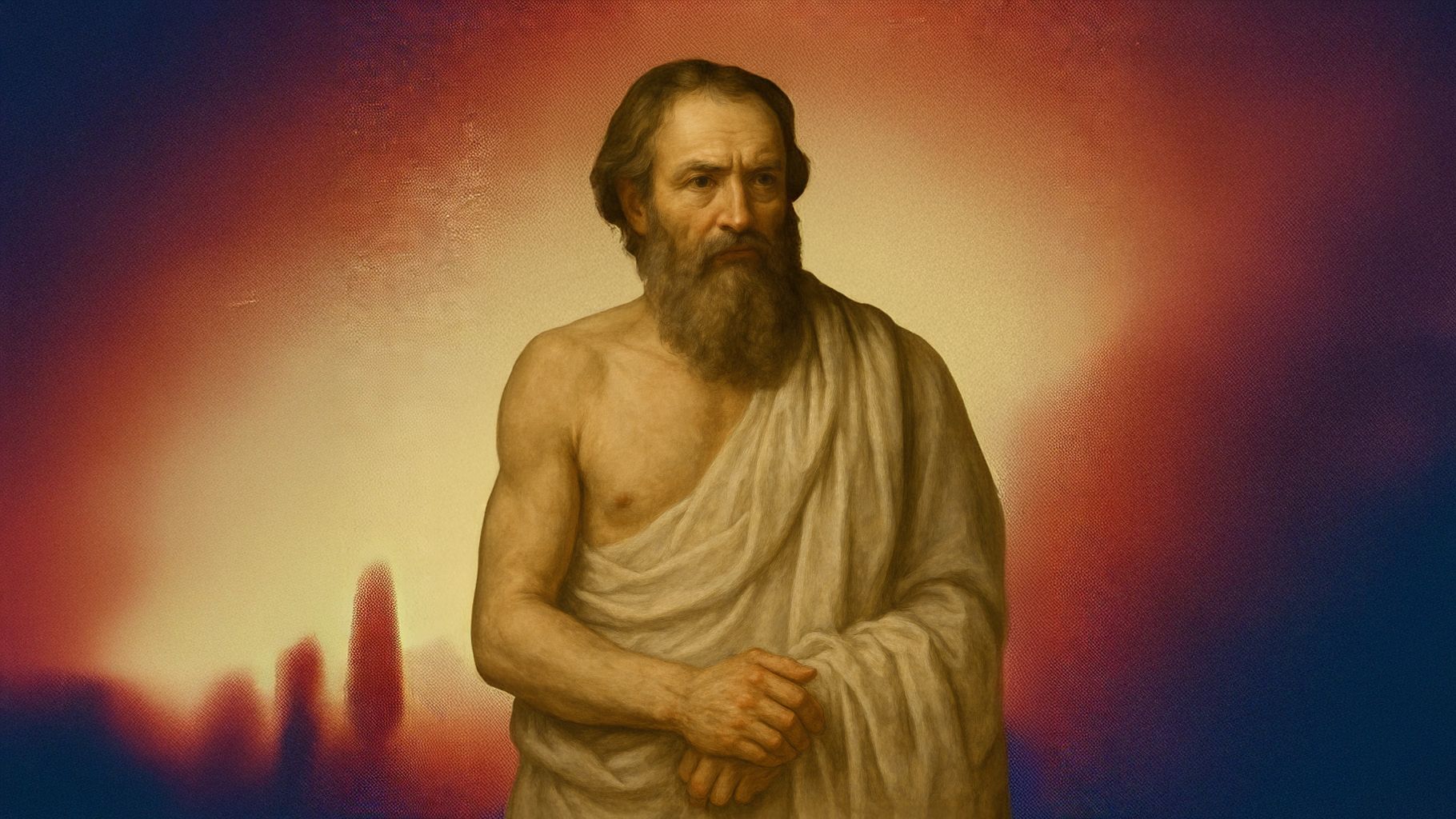
Heraclitus
Greek philosopher of flux, fire, and paradox—famous for saying you can’t step in the same river twice.
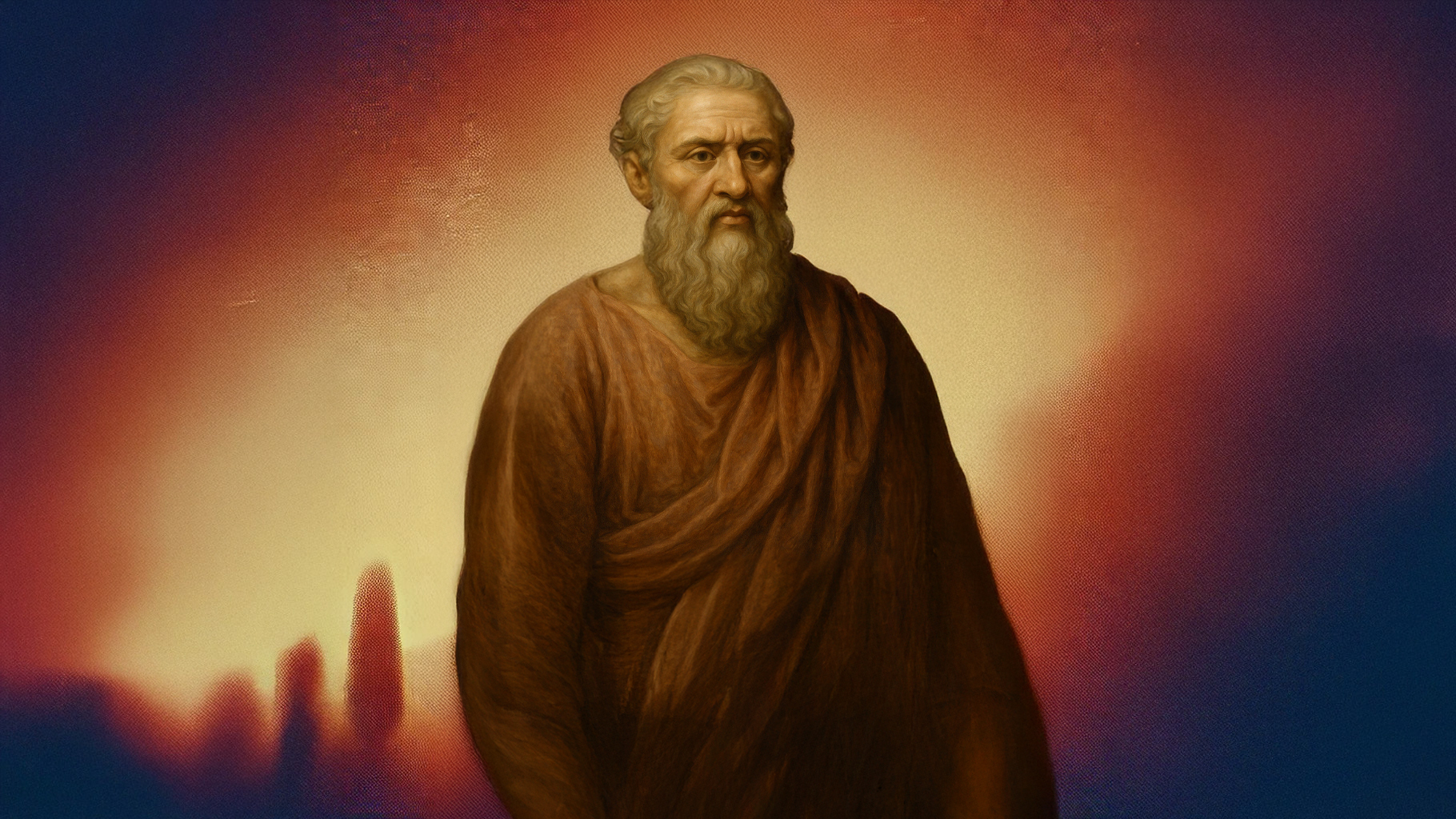
Plato
A student of Socrates and teacher of Aristotle, Plato founded the Academy and shaped Western philosophy.
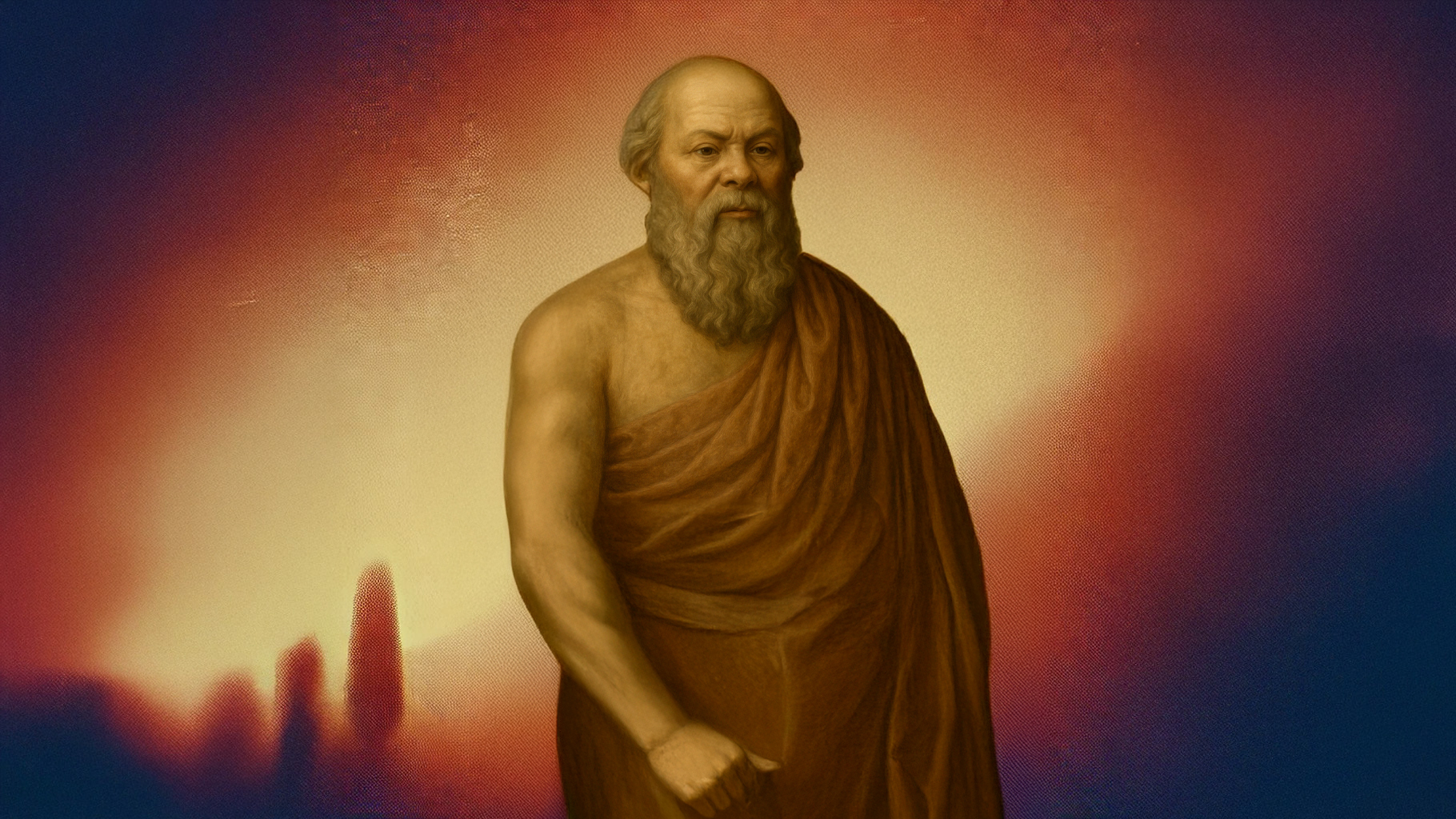
Socrates
The father of Western philosophy, known for his method of questioning and the Socratic dialogue.
Coming Soon
Exciting content is on the way. Stay tuned!
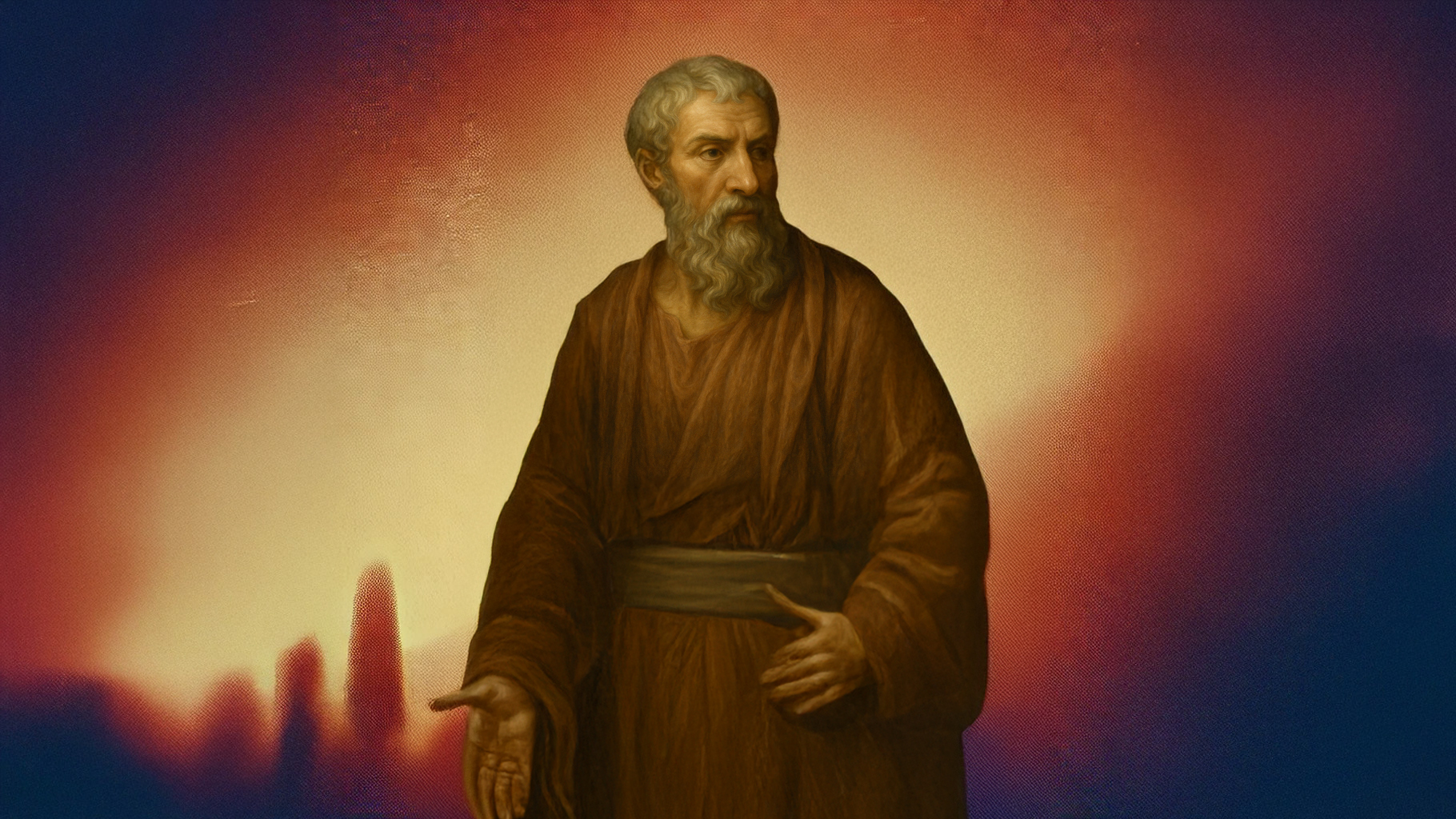
Epictetus
Greek Stoic philosopher, known for his teachings on personal freedom and resilience.
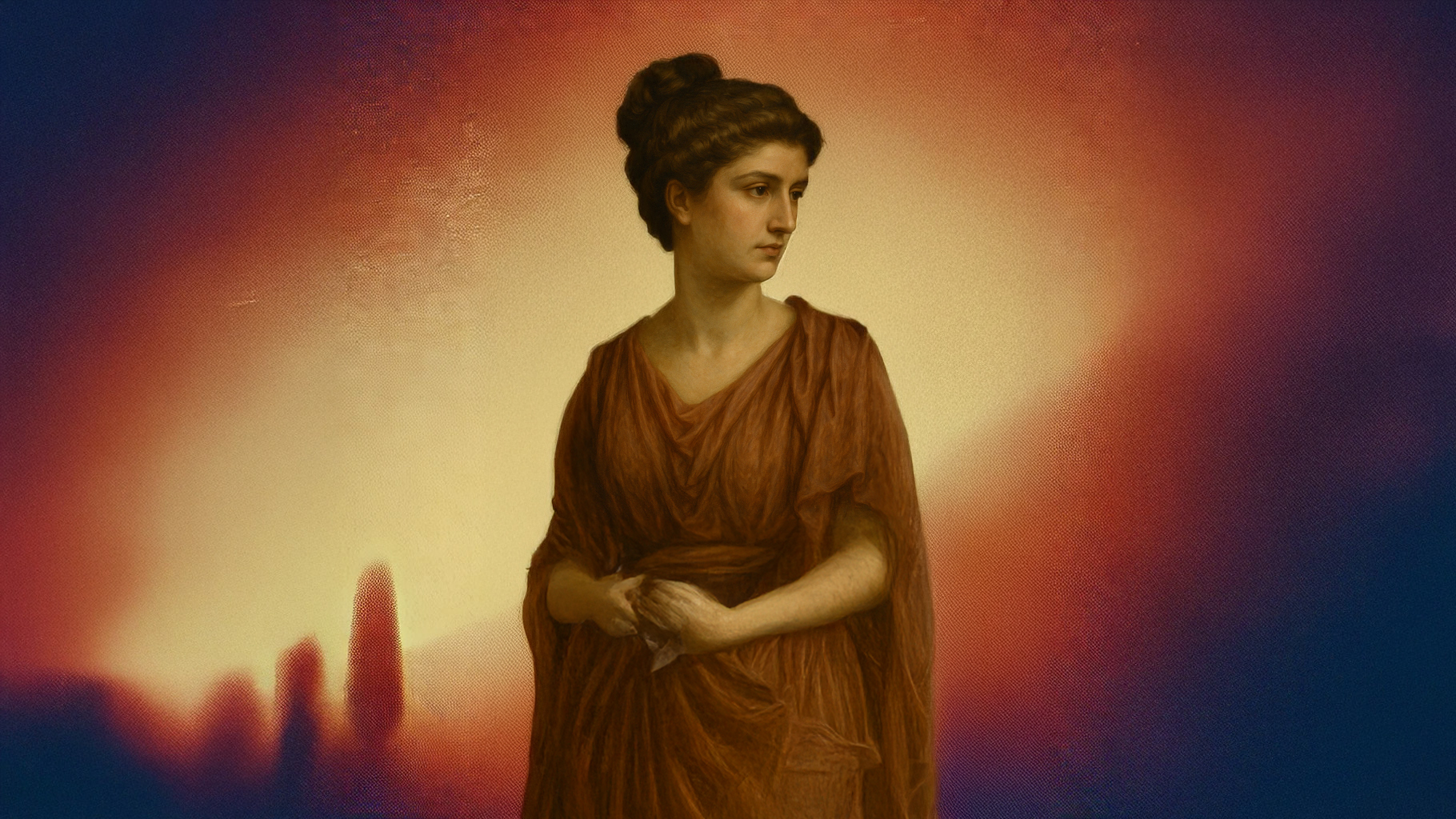
Hypatia
Greek philosopher, mathematician, and astronomer, key figure in Neoplatonism and scientific thought.
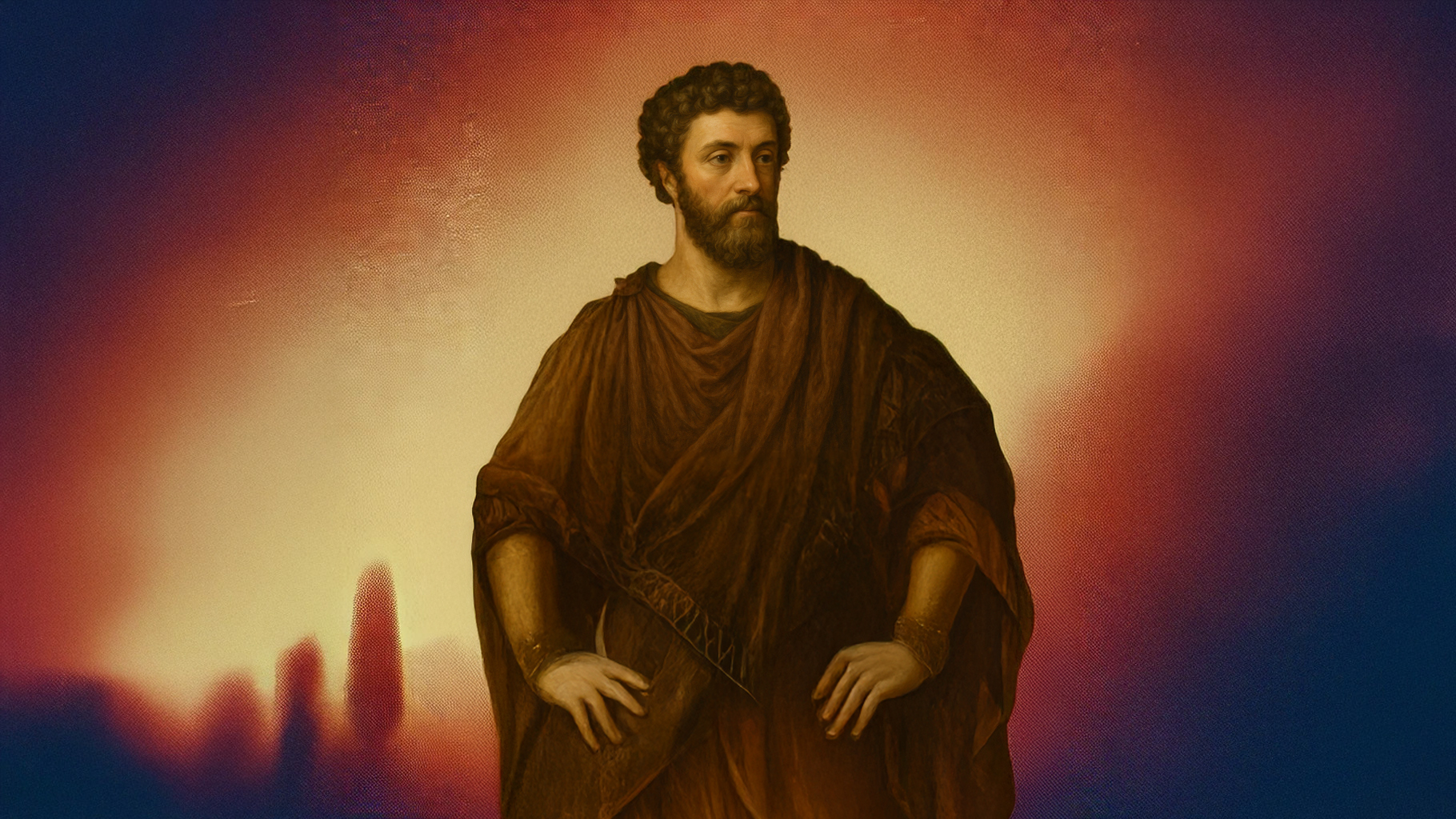
Marcus Aurelius
Roman Emperor and Stoic philosopher, best known for his philosophical work Meditations.
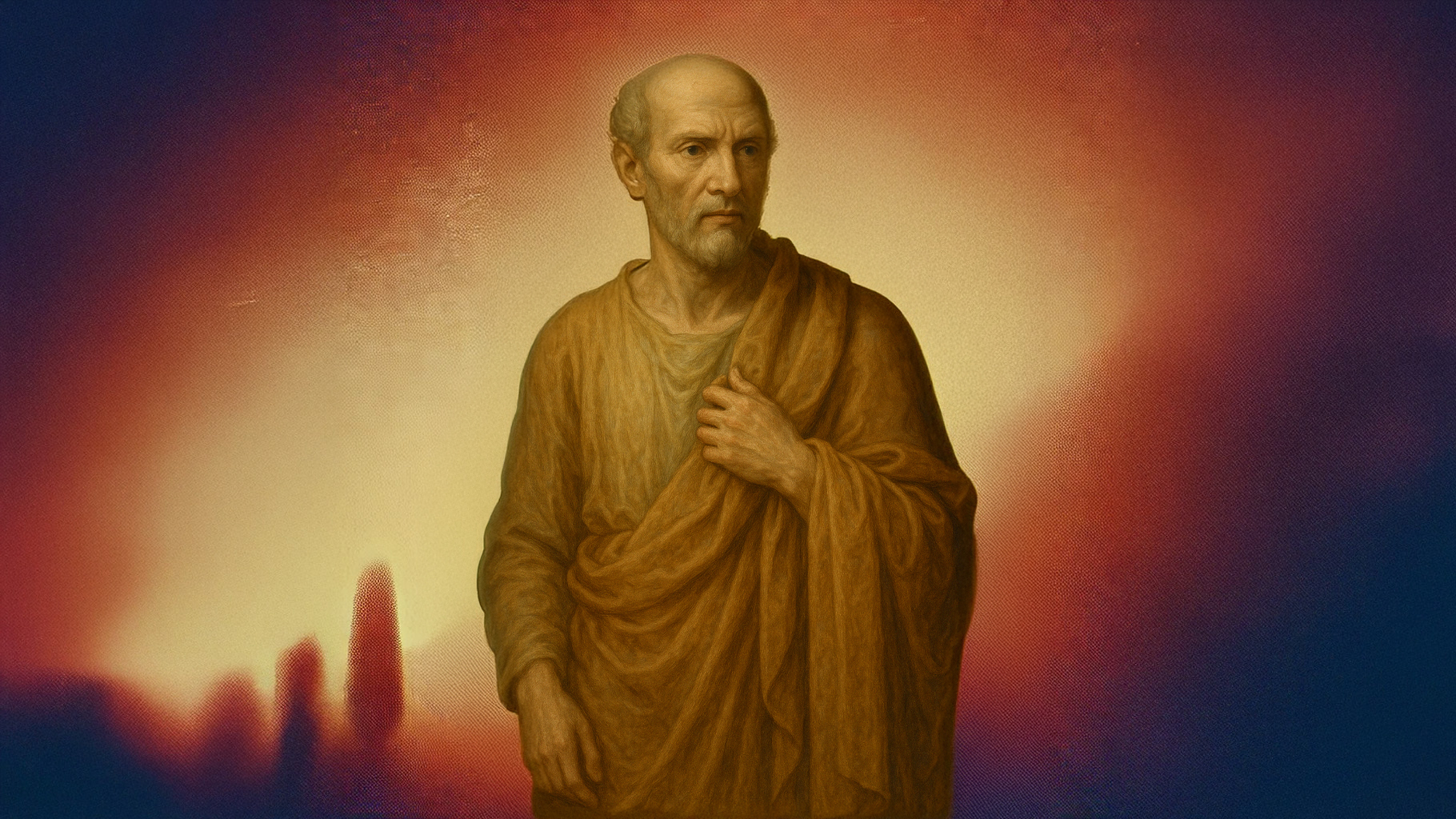
Plotinus
Founder of Neoplatonism, teaching the ascent of the soul toward unity with the divine One.
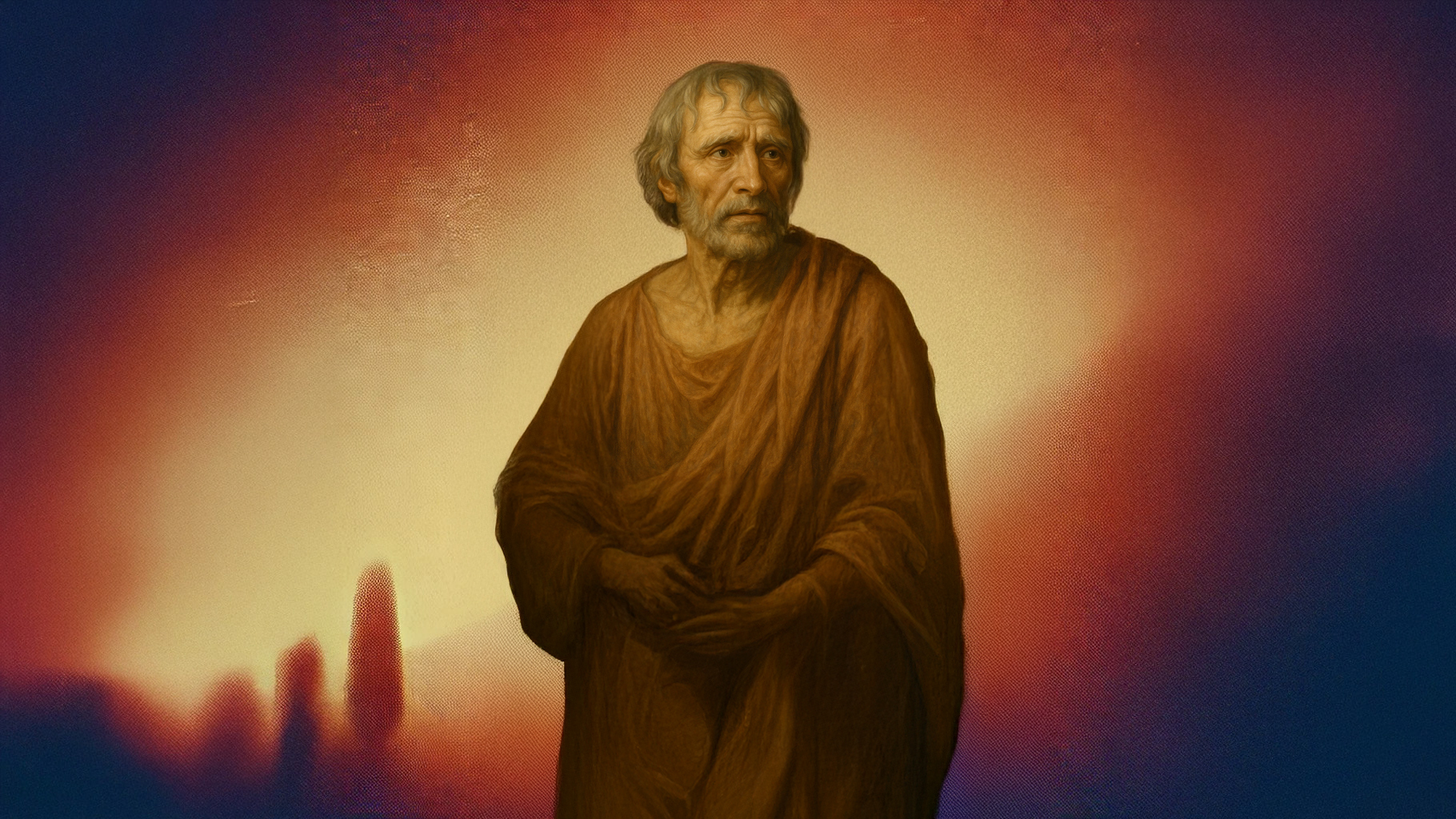
Seneca
Roman Stoic philosopher, statesman, and dramatist, known for his moral essays and letters.
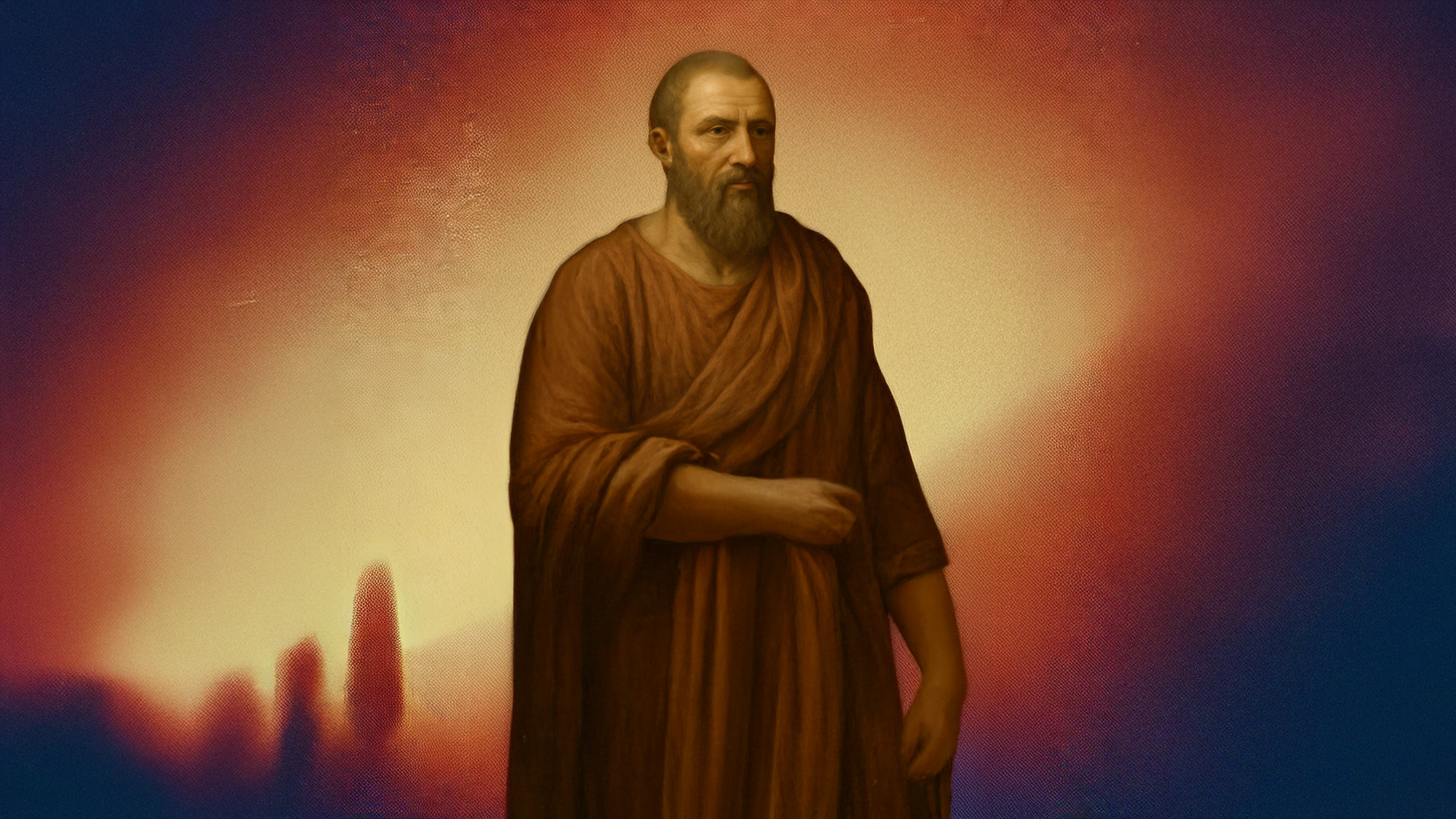
Zeno of Citium
Founder of Stoicism, teaching virtue, reason, and living in harmony with nature.
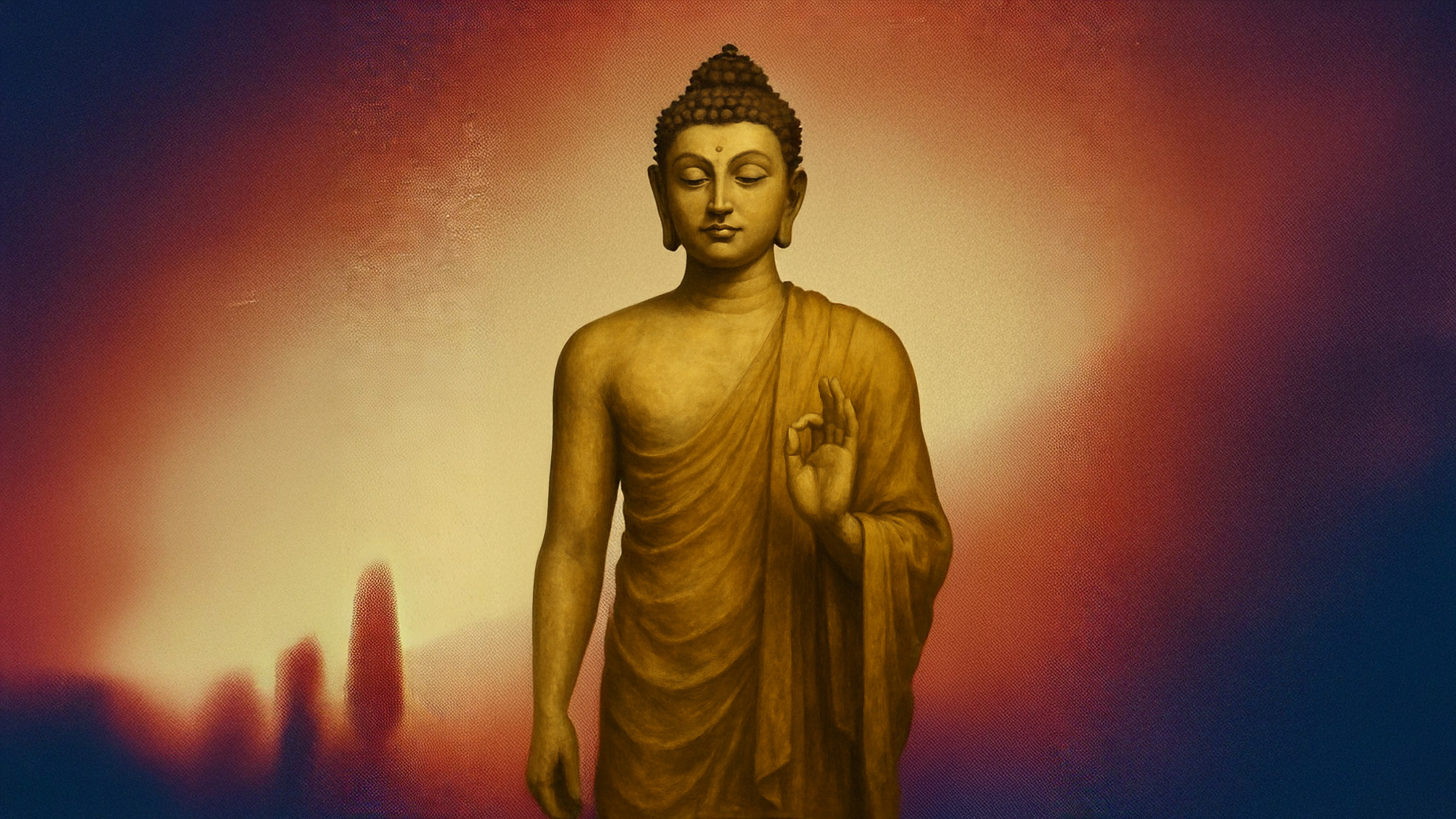
The Buddha
Founder of Buddhism, who taught the Four Noble Truths, the Middle Way, and a path to freedom from suffering.
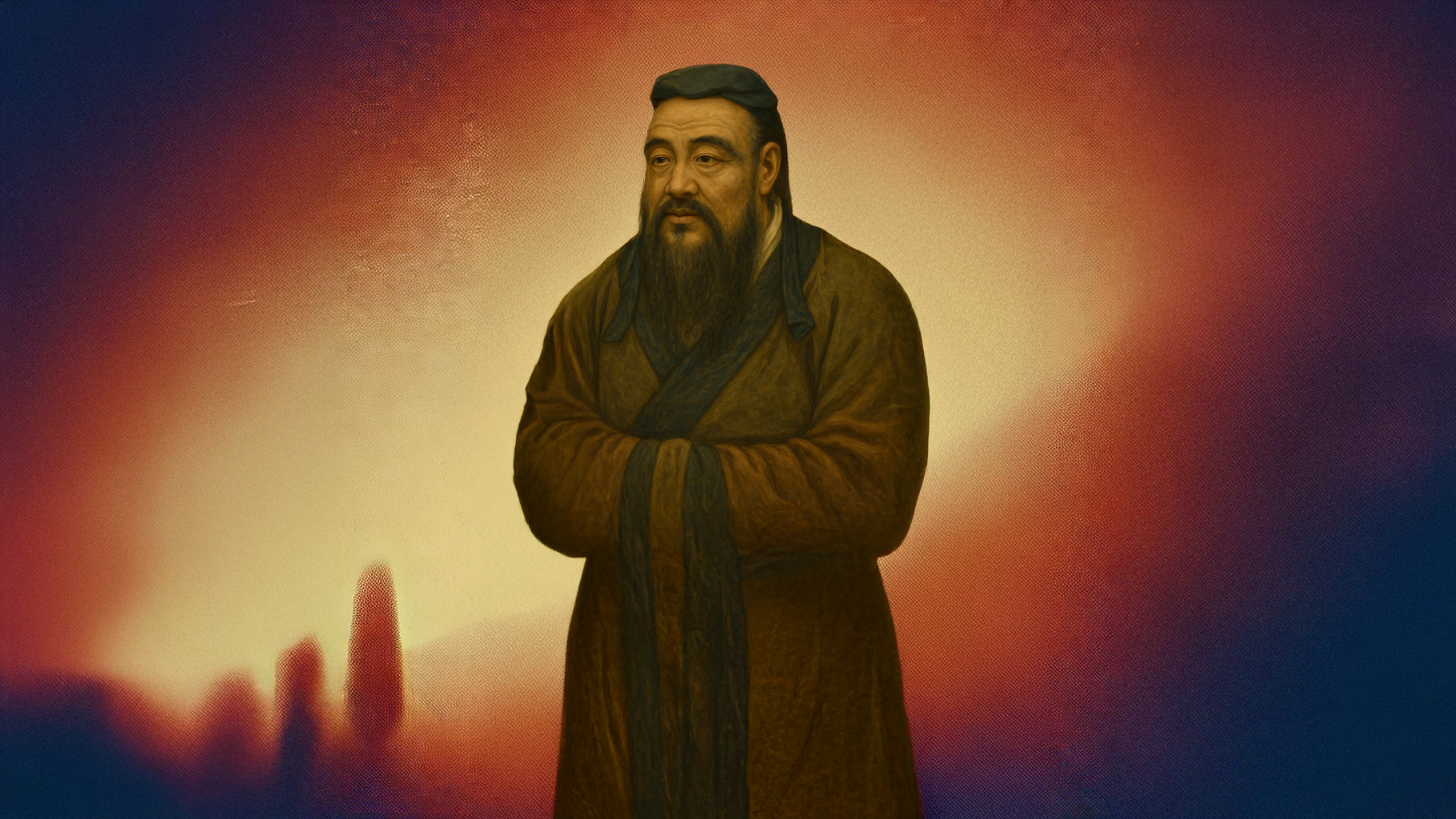
Confucius
Chinese philosopher and teacher, known for his teachings on ethics, family, and social harmony.
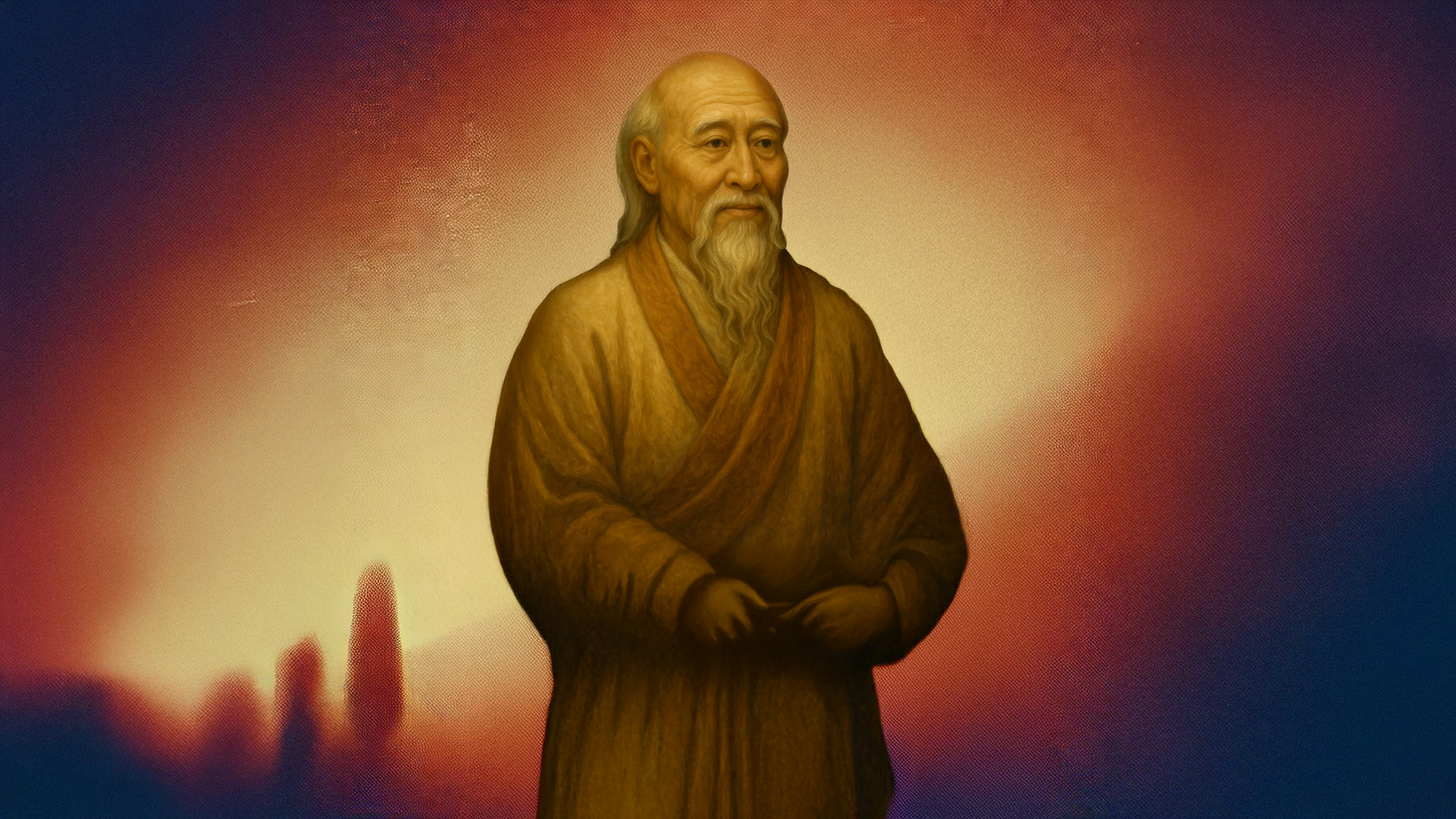
Laozi
Chinese philosopher and founder of Taoism, known for the Tao Te Ching and teaching harmony with nature.
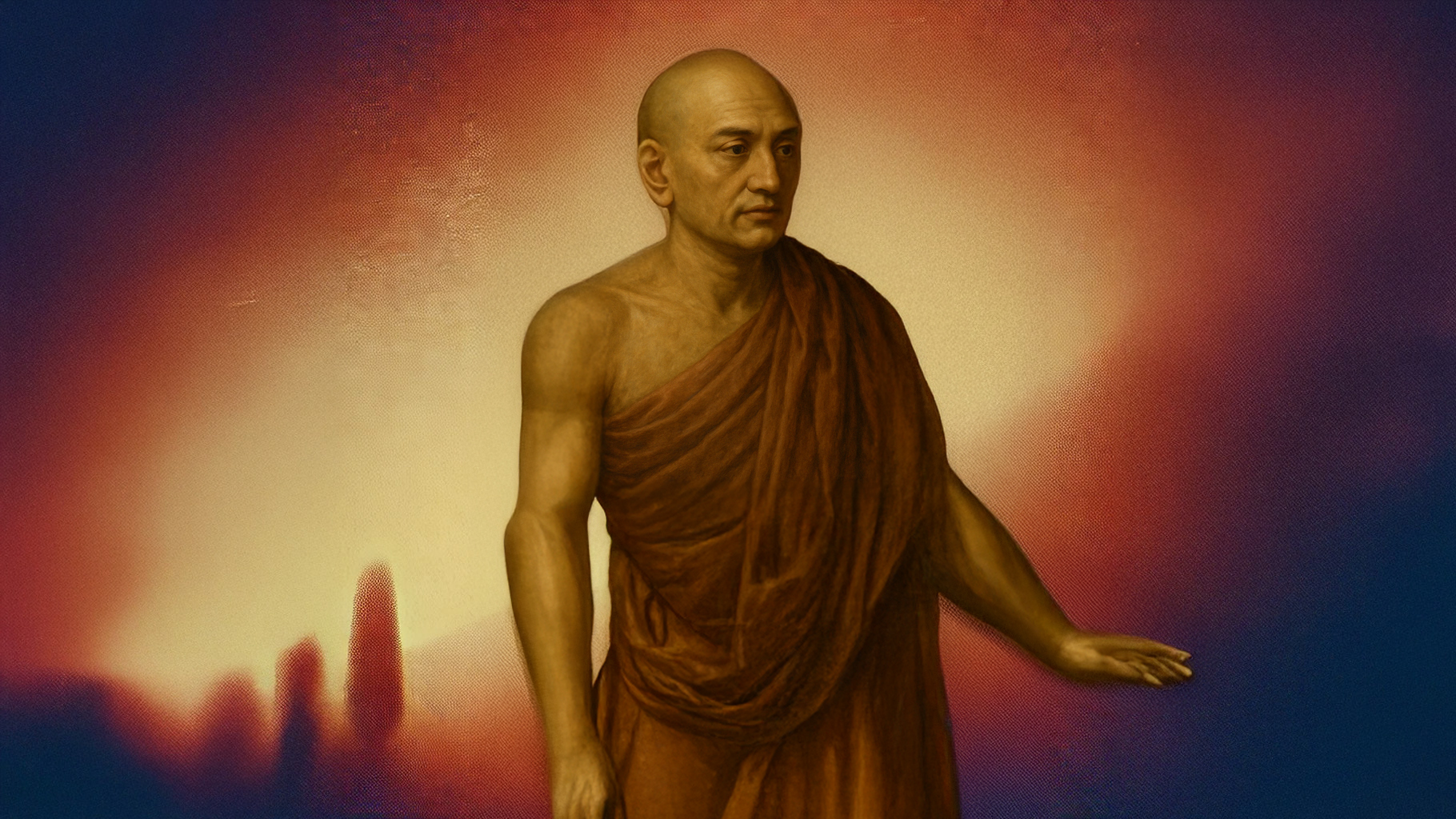
Nagarjuna
Indian Buddhist philosopher, known for his teachings on emptiness and the Middle Way.
Coming Soon
Exciting content is on the way. Stay tuned!
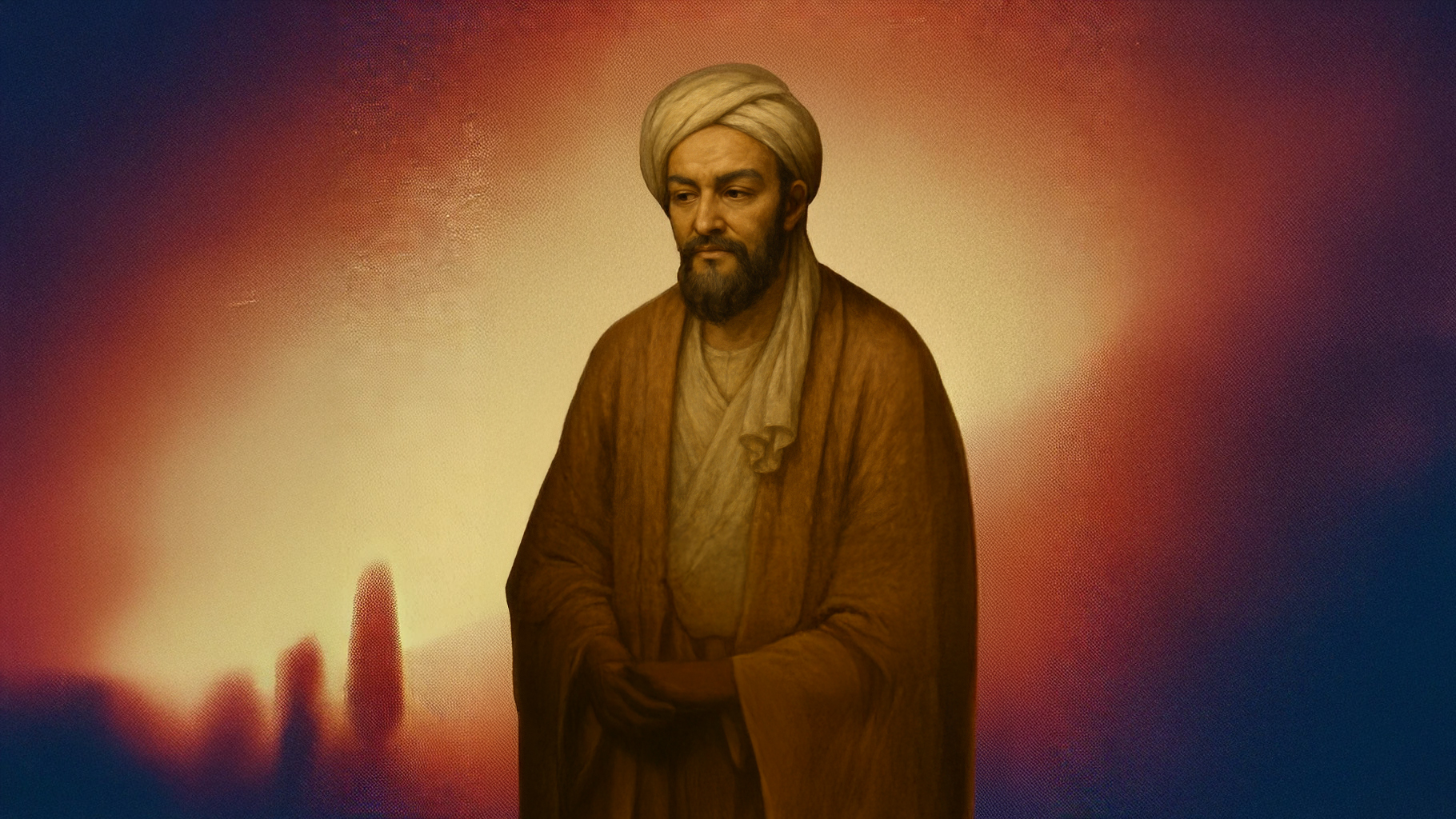
Avicenna
Persian philosopher and physician who bridged science and metaphysics during the Islamic Golden Age.
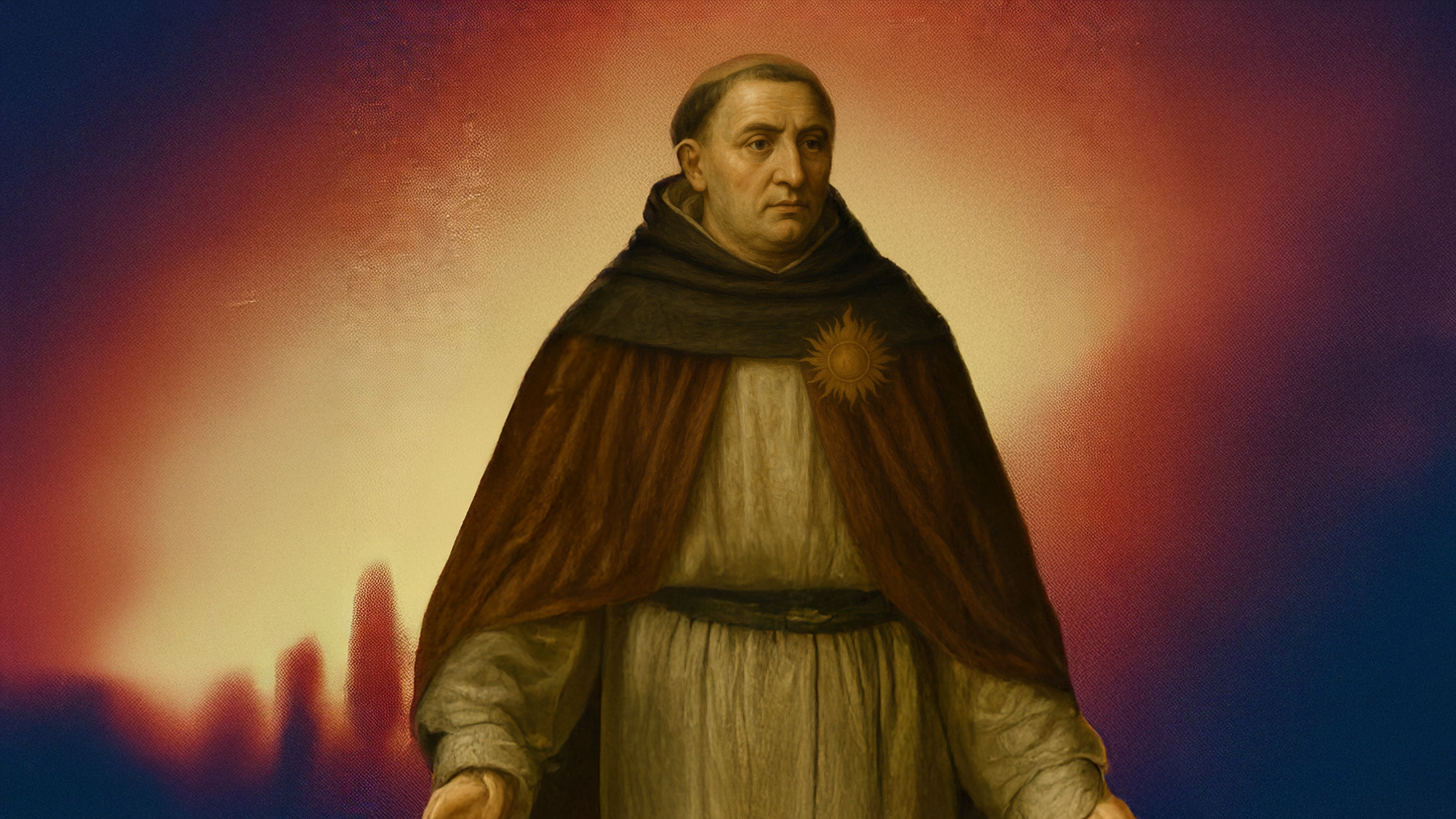
Thomas Aquinas
Medieval philosopher who blended reason and faith, known for his work on virtue, ethics, and natural law.
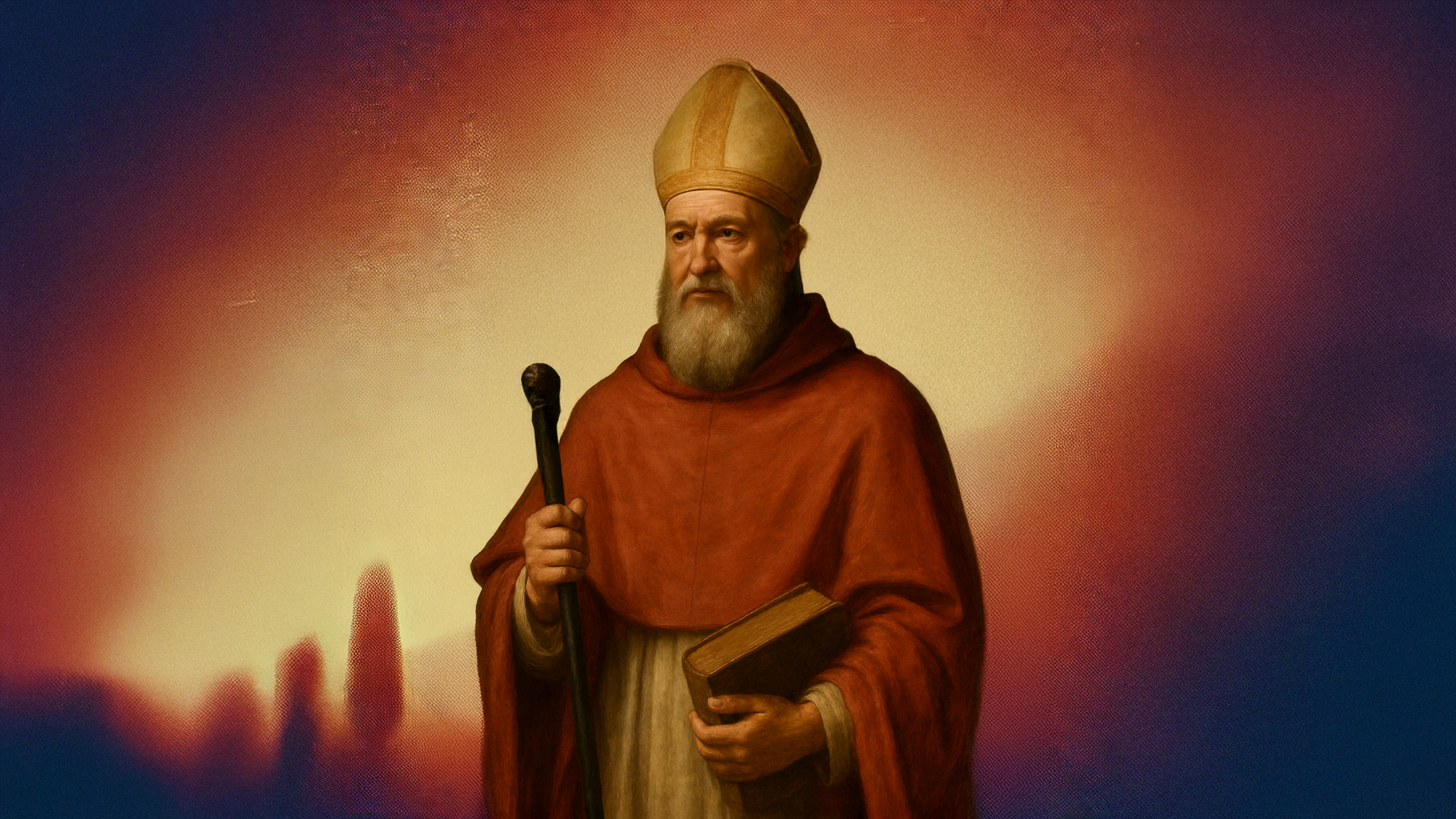
Augustine of Hippo
Thinker whose writings on faith, free will, and the nature of evil shaped Western Christianity and philosophy.
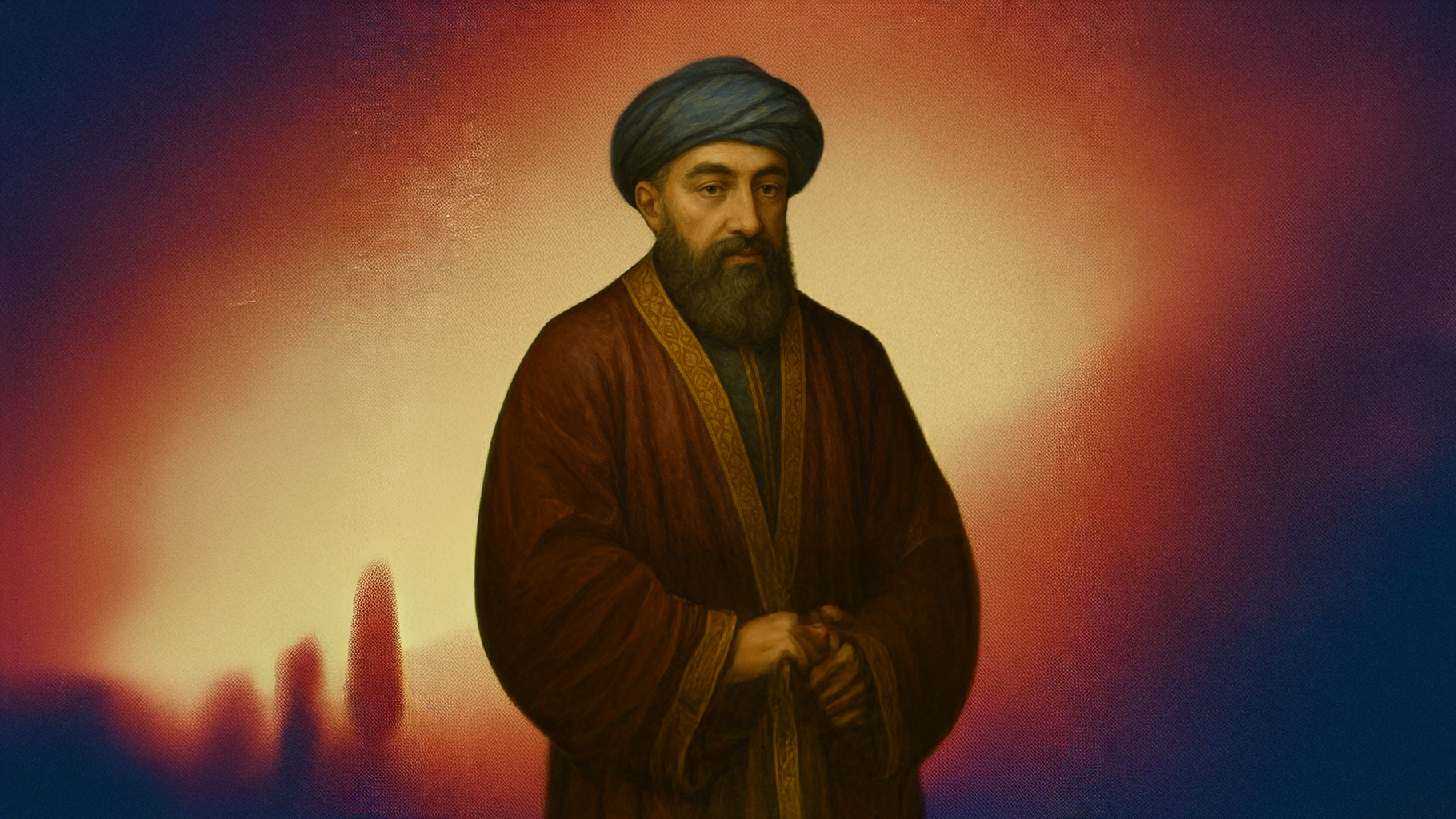
Maimonides
Jewish philosopher, physician, and legal scholar who blended reason and faith to guide people.
Coming Soon
Exciting content is on the way. Stay tuned!
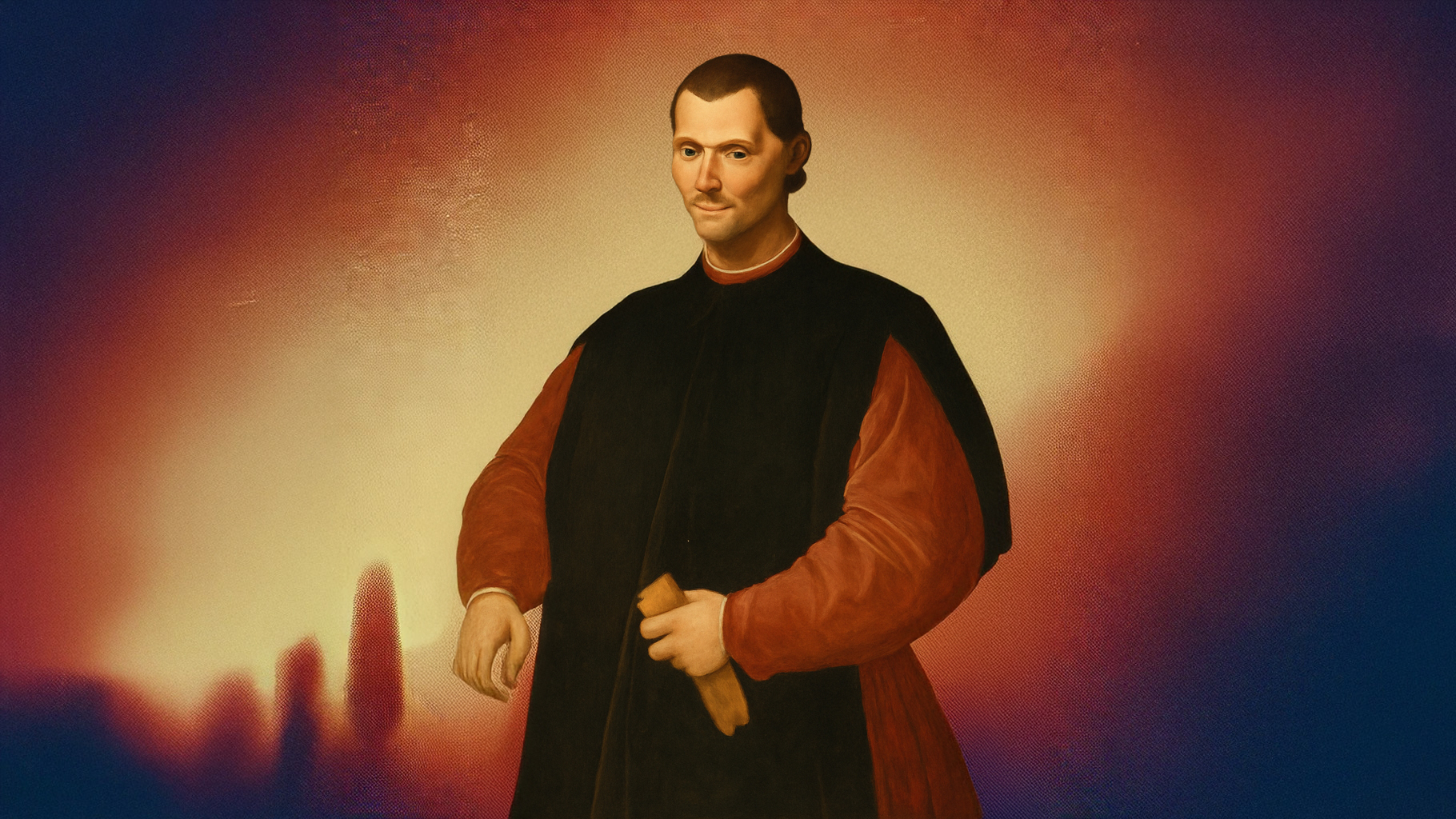
Machiavelli
Renaissance political thinker best known for offering a pragmatic — and often ruthless — view of power.
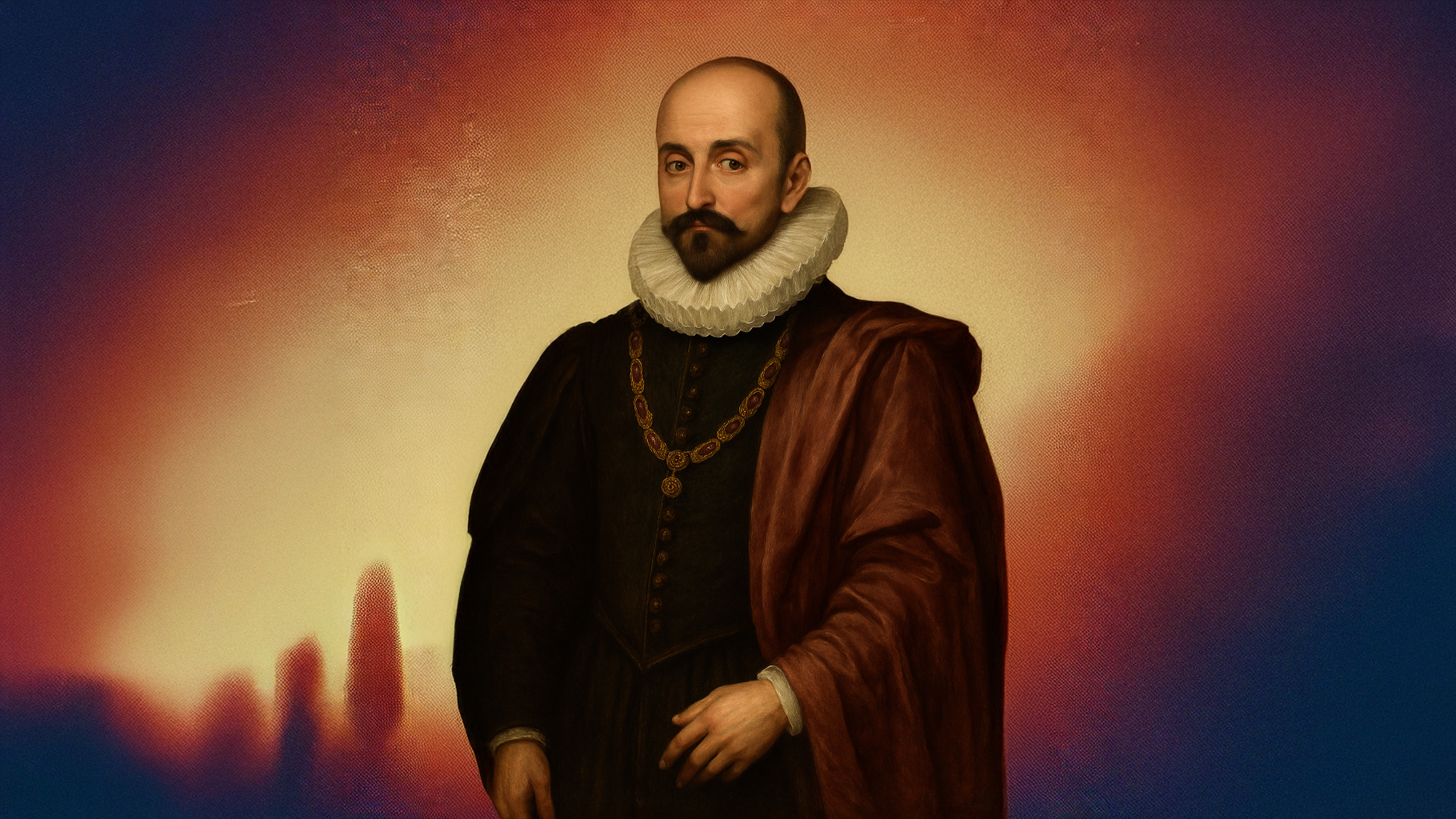
Michel de Montaigne
French Renaissance thinker who turned self-reflection into philosophy and pioneered the personal essay.
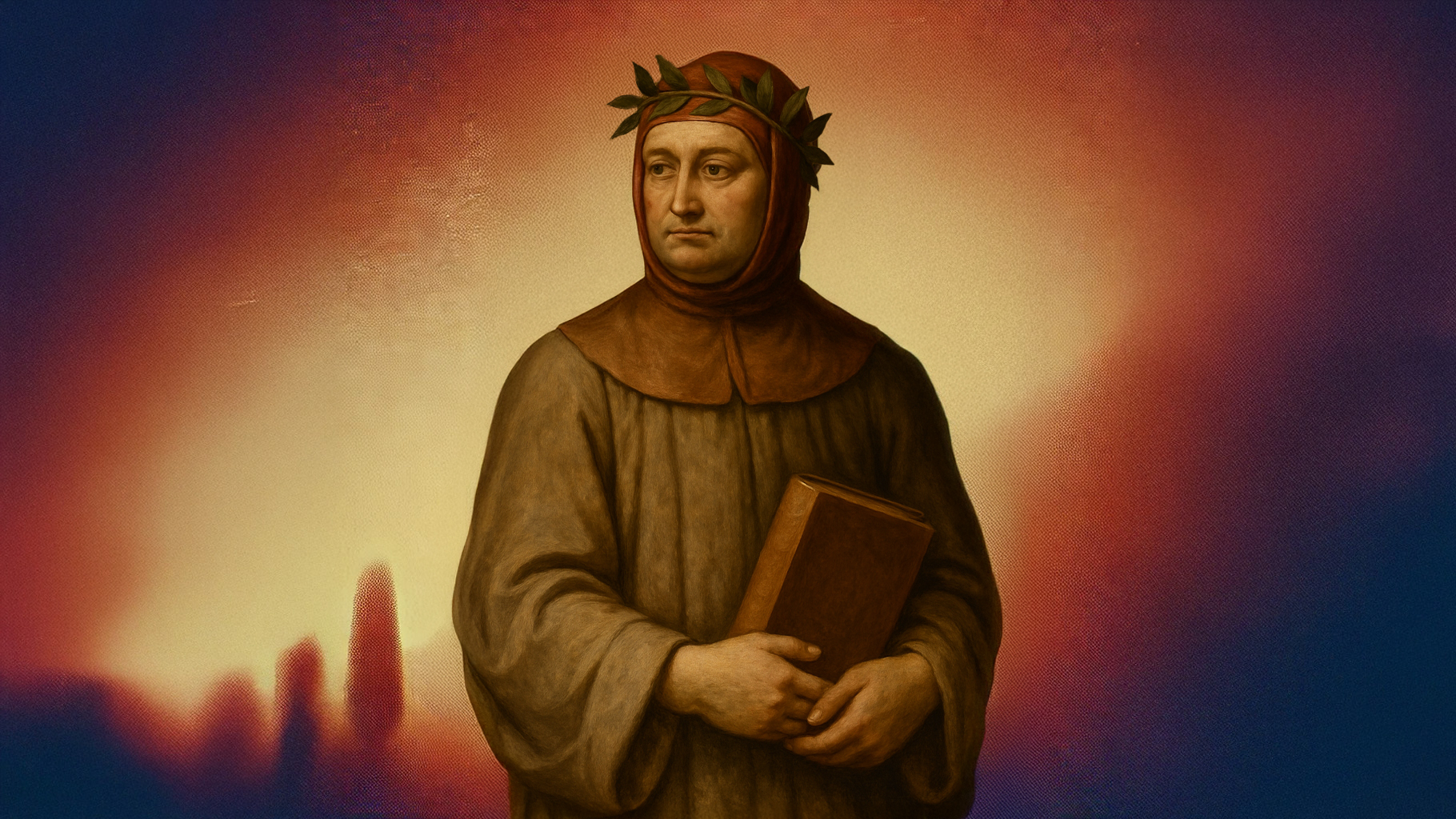
Francesco Petrarca
Italian poet and father of Humanism who revived classical wisdom and championed self-reflection.
Coming Soon
Exciting content is on the way. Stay tuned!
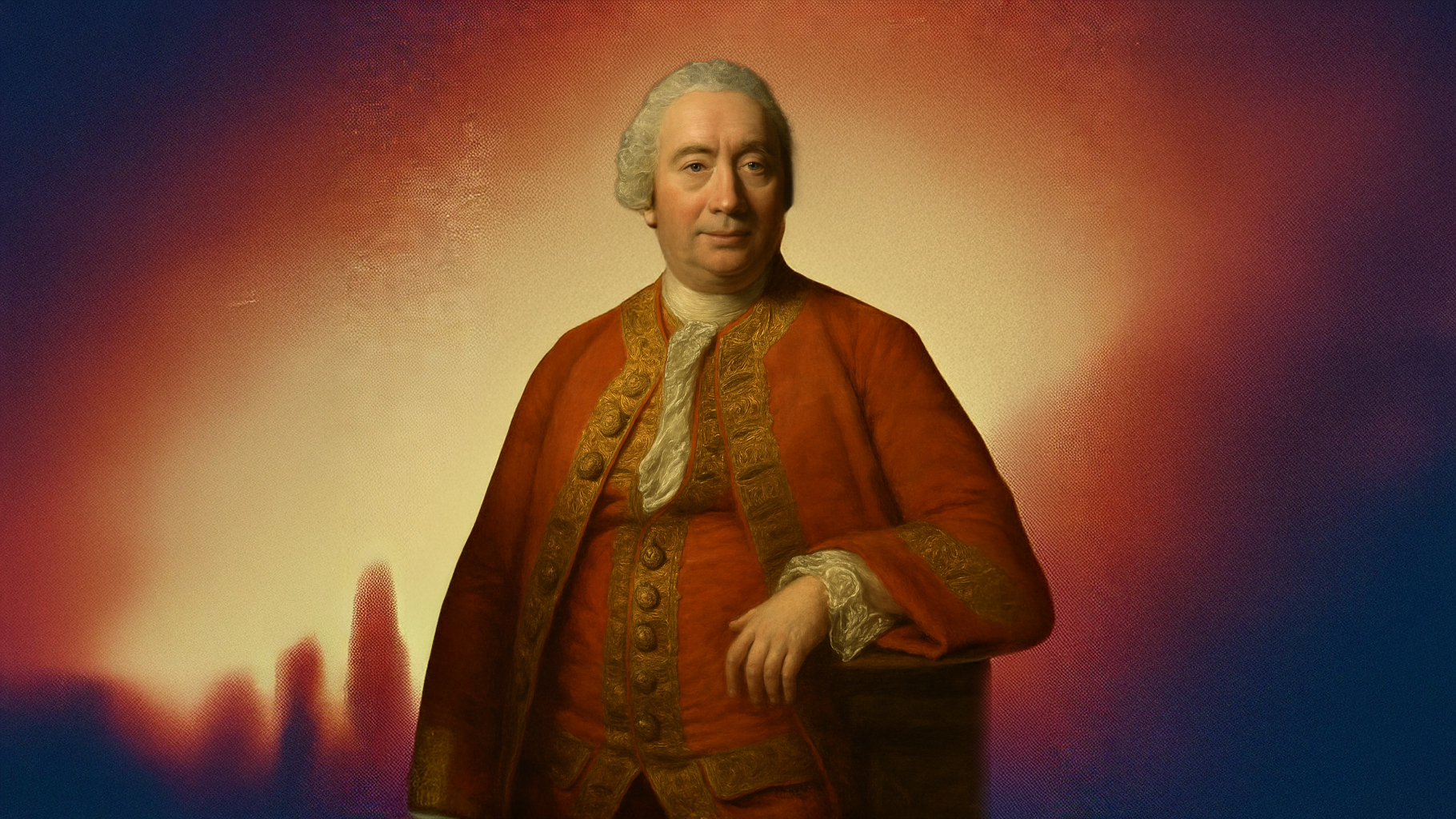
David Hume
Thinker who challenged certainty, questioned cause and effect, and saw emotion as the root of morality.
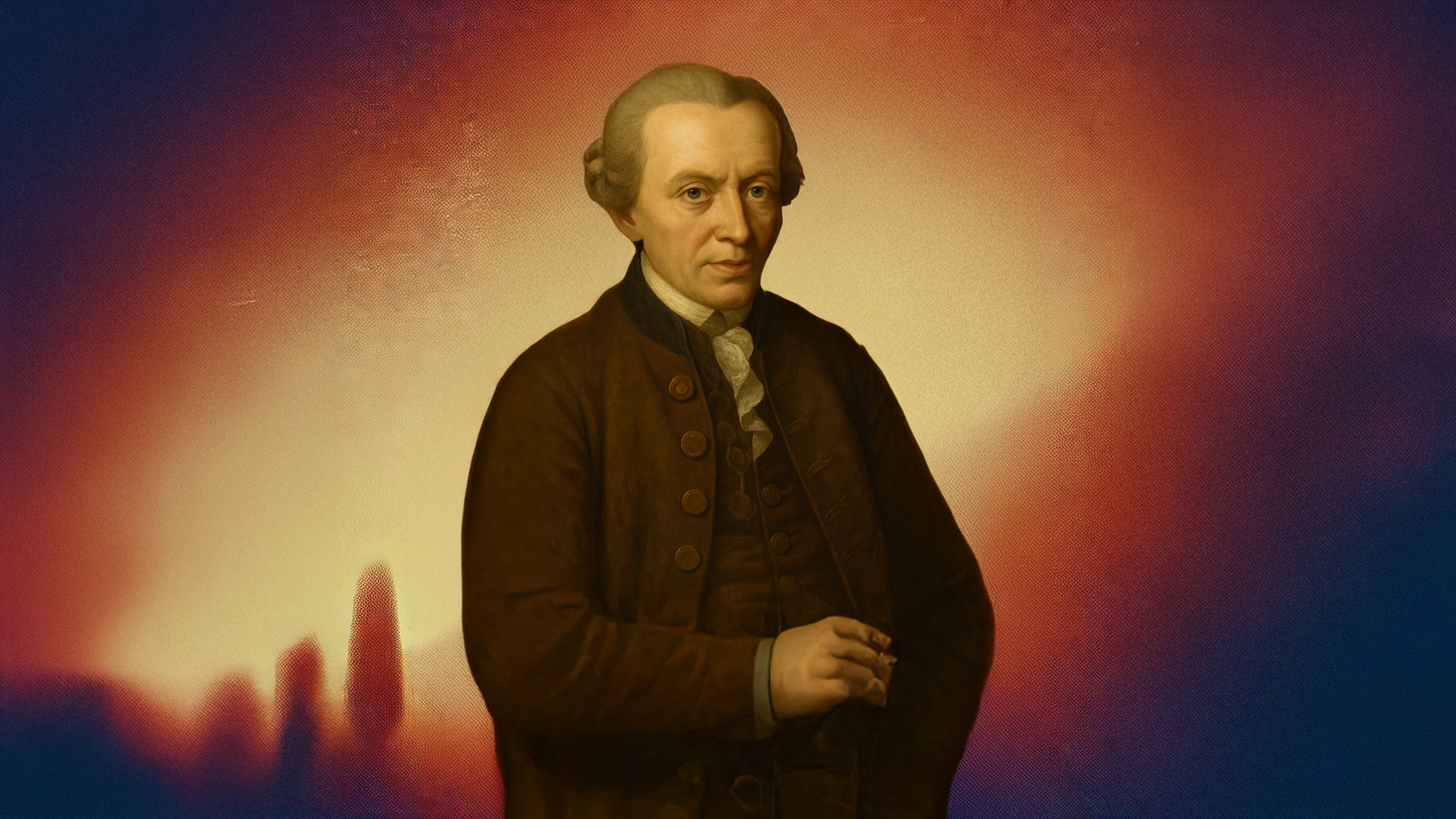
Immanuel Kant
German philosopher known for his critical philosophy in ethics, metaphysics, and epistemology.
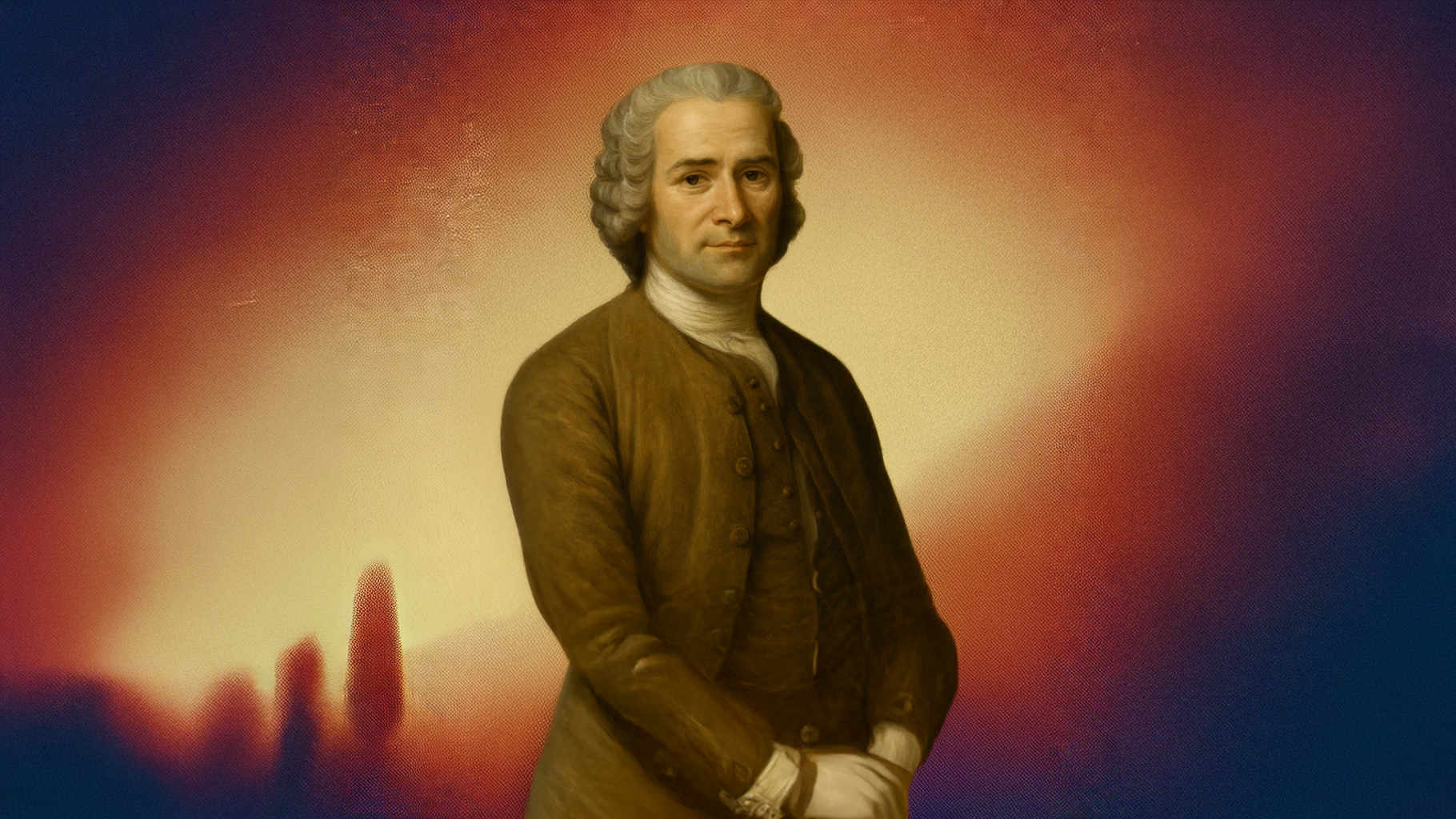
Rousseau
Philosopher known for his works on social contract theory, education, and the nature of human freedom.
Coming Soon
Exciting content is on the way. Stay tuned!
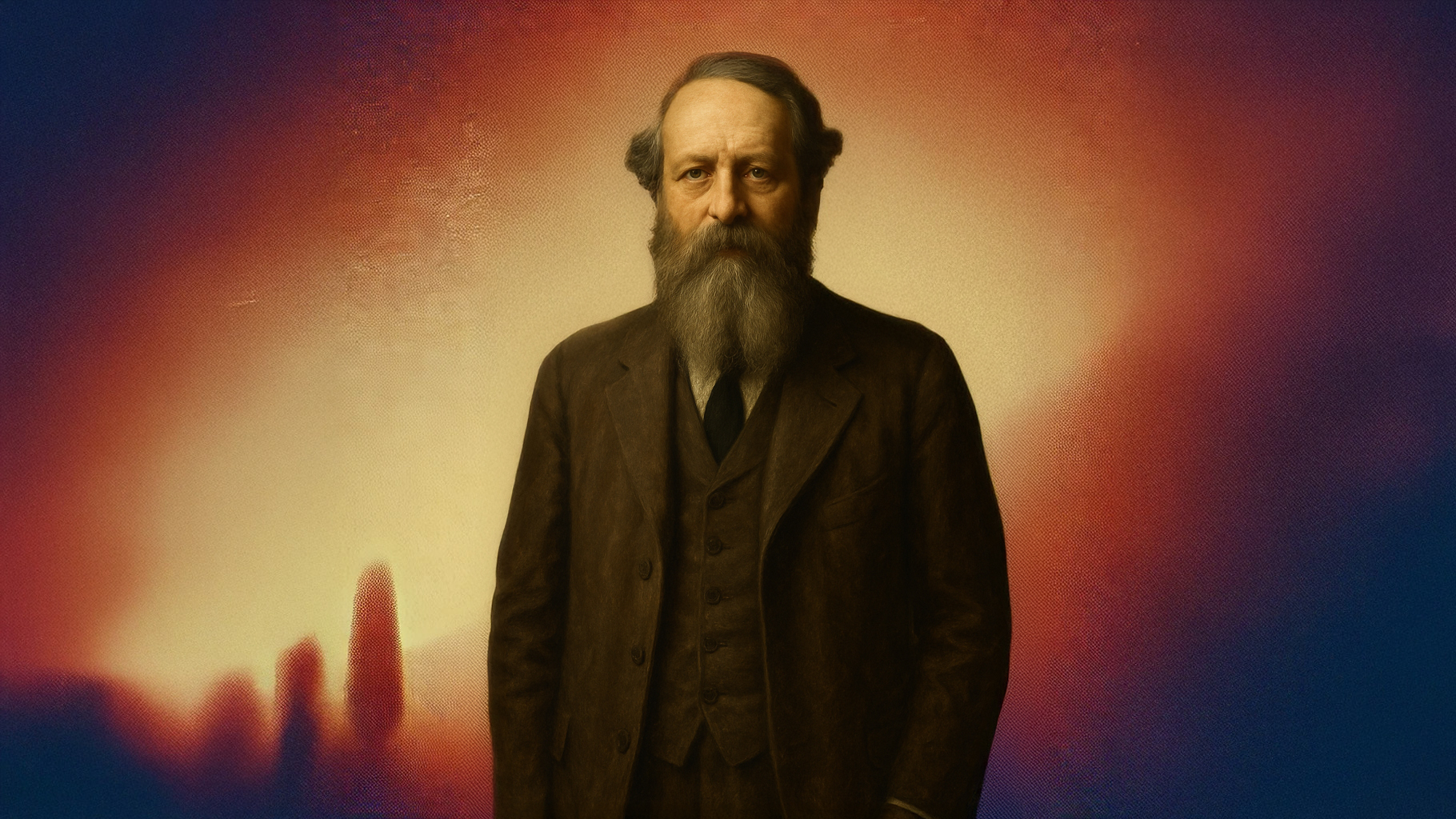
Martin Buber
Austrian-born Jewish philosopher of dialogue, known for I–Thou and a humanistic vision of community.
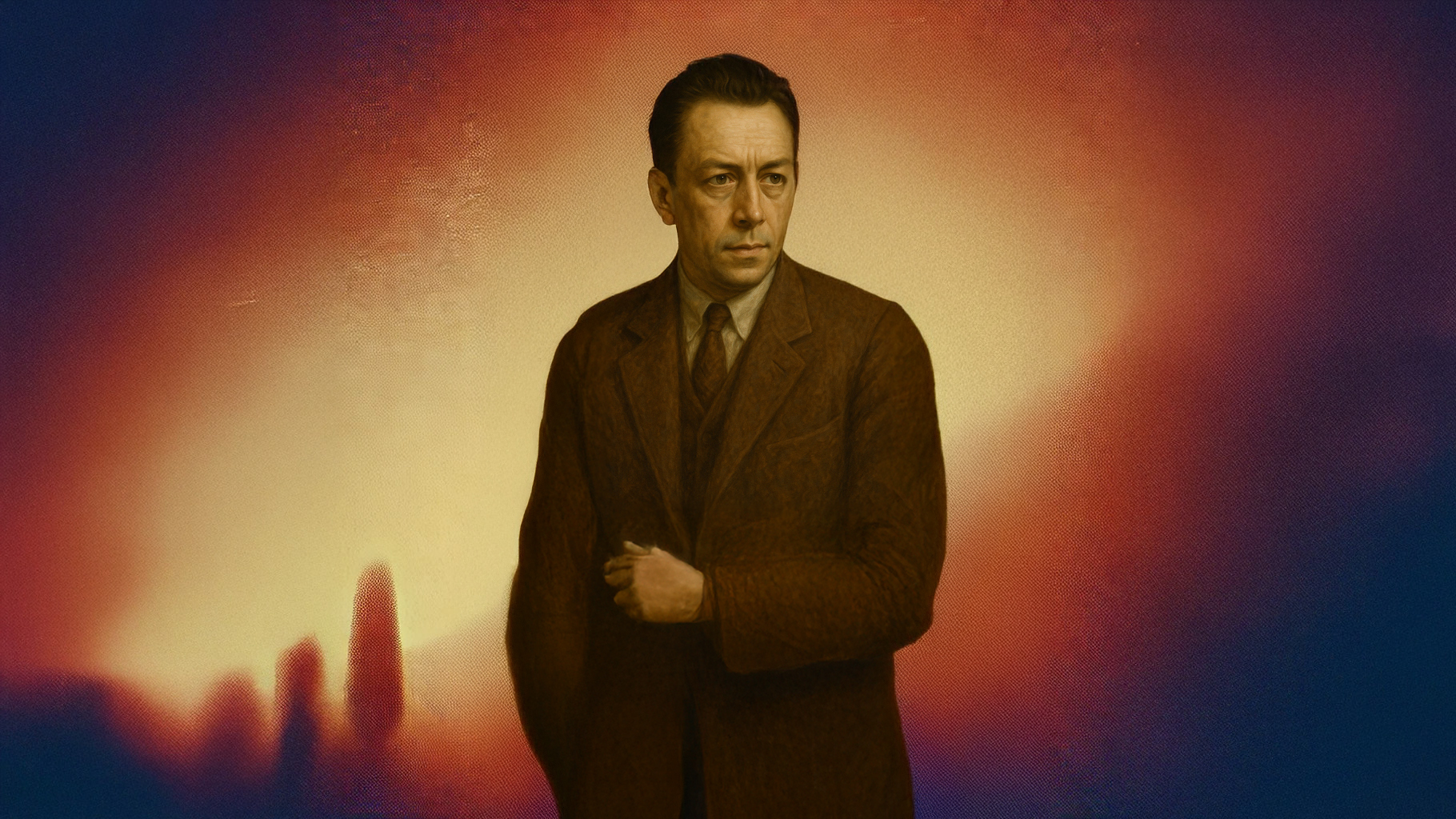
Albert Camus
French philosopher and author, renowned for his contributions to absurdism and existential philosophy.

Martin Heidegger
German philosopher who redefined what it means “to be,” and warned of technology’s grip on how we live.

William James
American thinker who helped shape psychology and pragmatism, focused on belief, action, and lived experience.
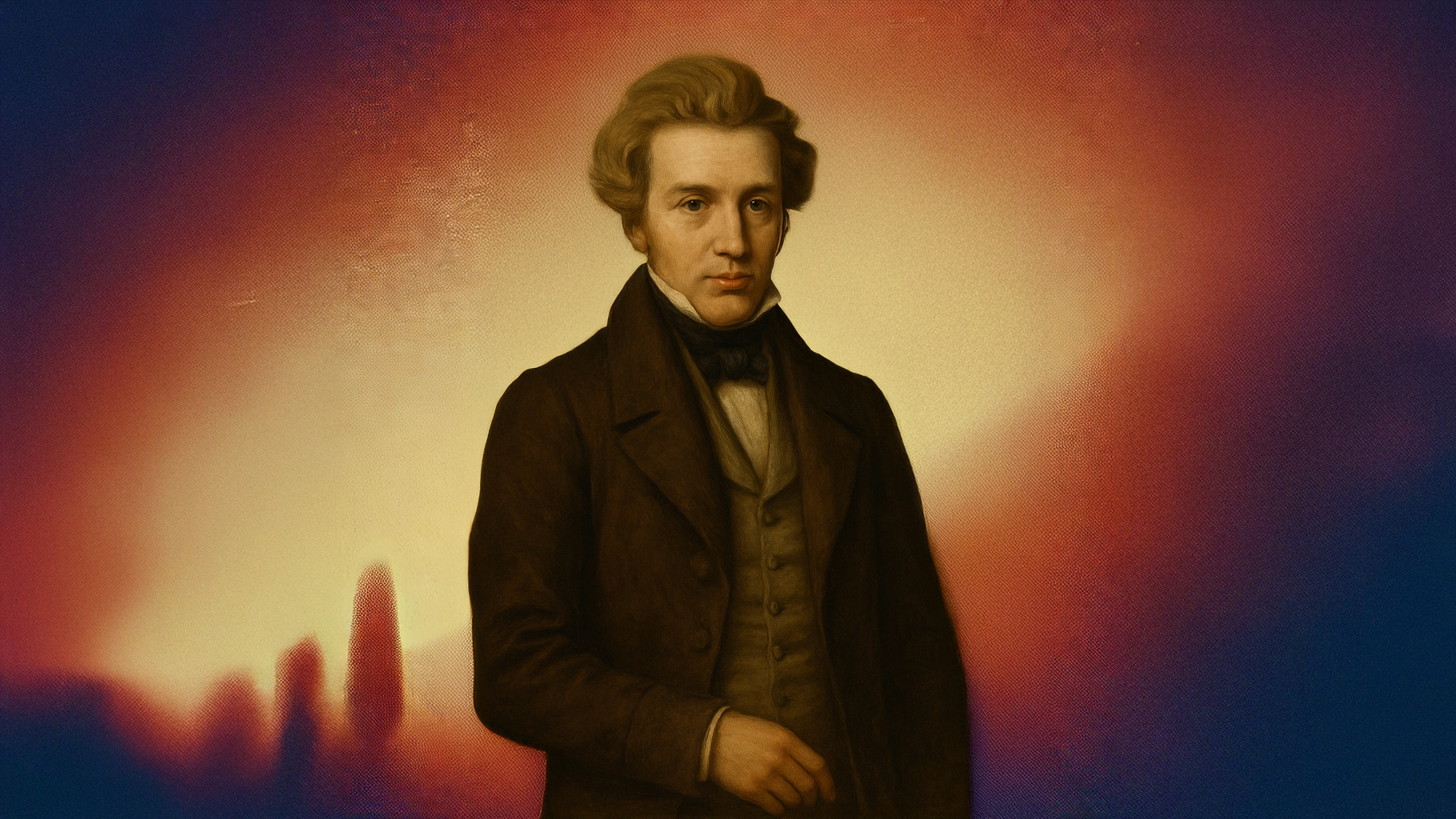
Søren Kierkegaard
Danish philosopher known for his exploration of anxiety, faith, and the struggle to live authentically.

John Stuart Mill
British philosopher and economist known for utilitarianism, liberalism, and advocating individual freedom.

Friedrich Nietzsche
German philosopher and cultural critic, known for his ideas on morality, nihilism, and the will to power.
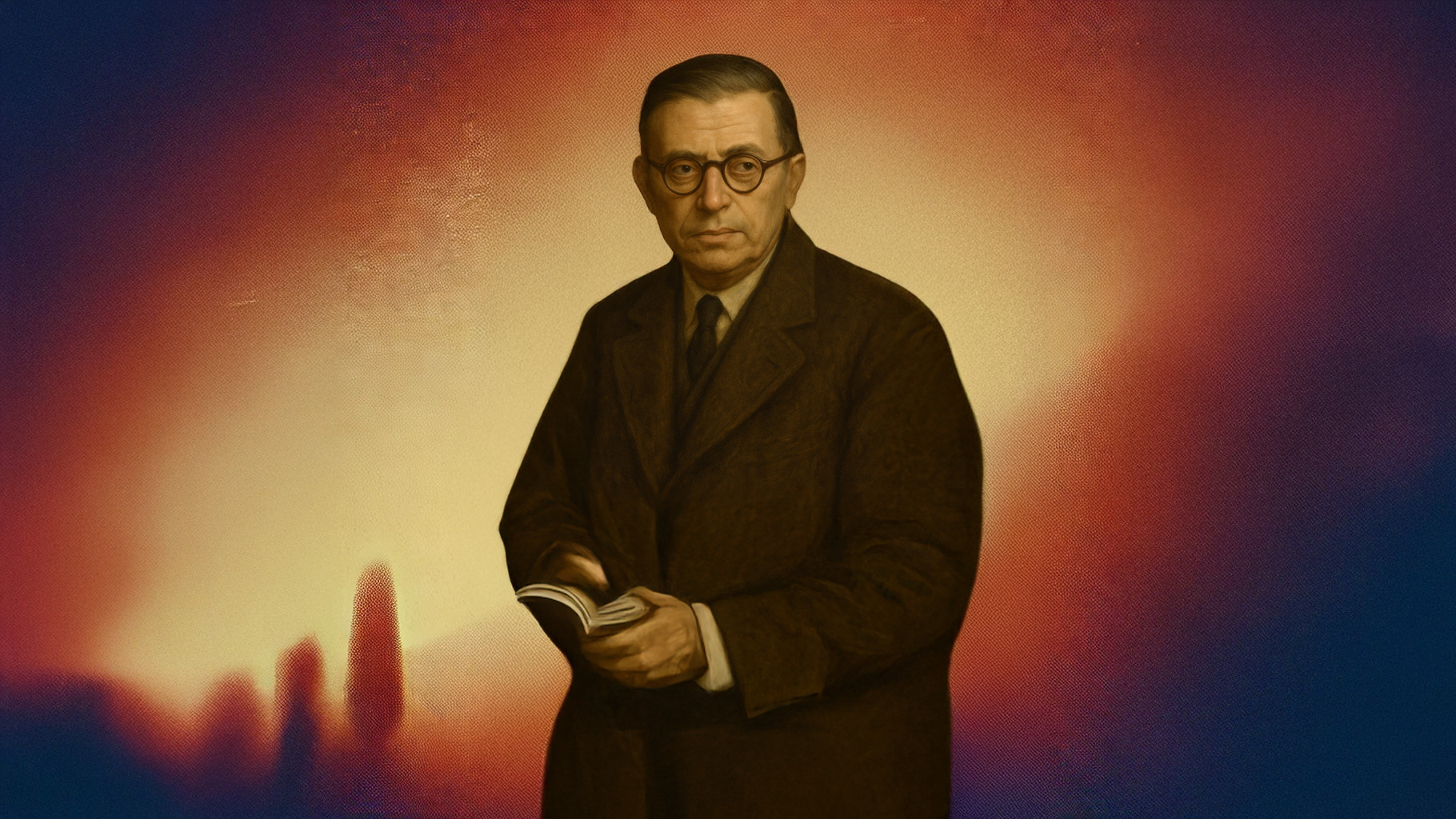
Jean-Paul Sartre
French existentialist philosopher, known for his exploration of freedom, authenticity, and human existence.
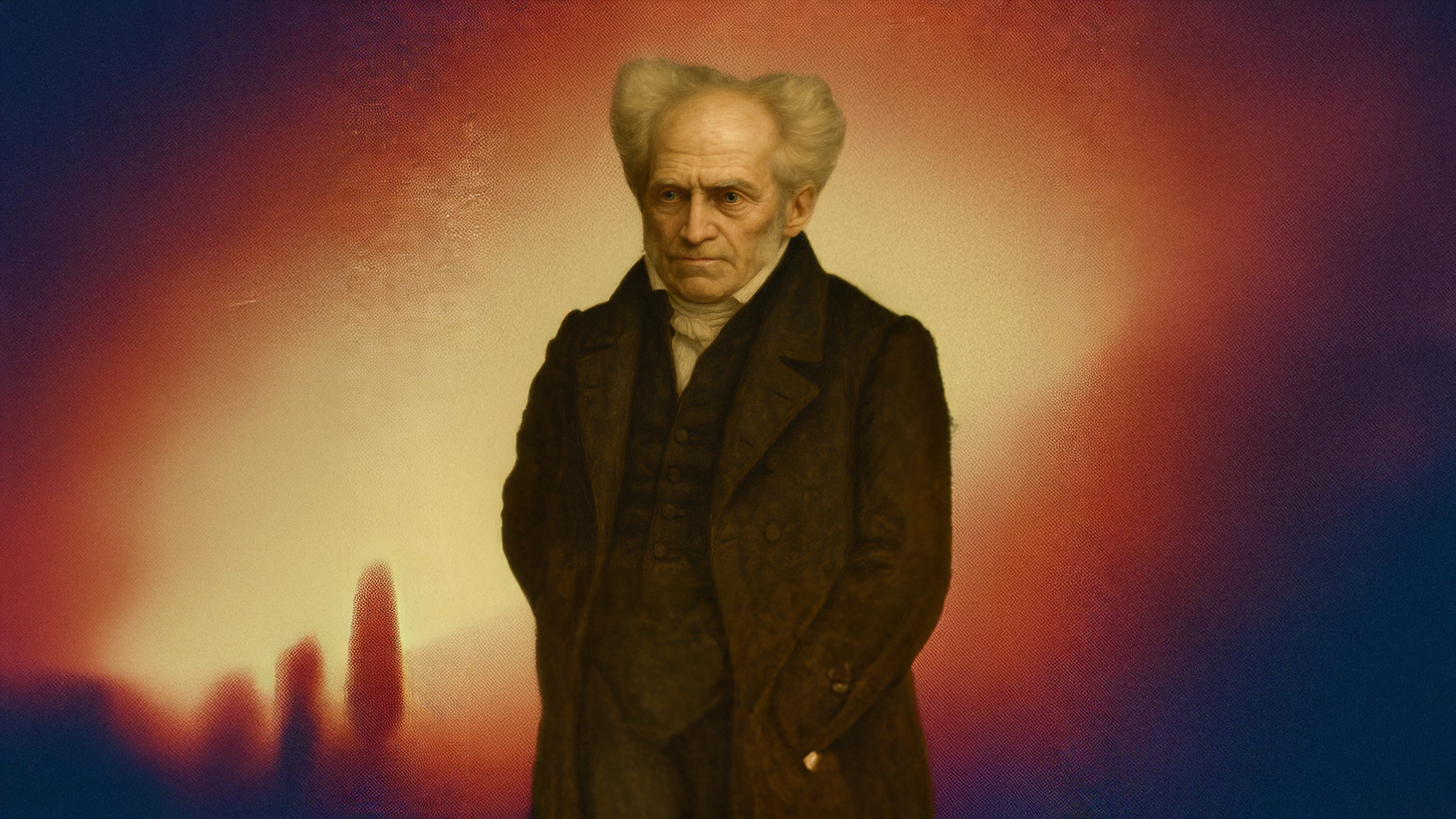
Arthur Schopenhauer
German philosopher known for his pessimistic philosophy and the will as reality's driving force.
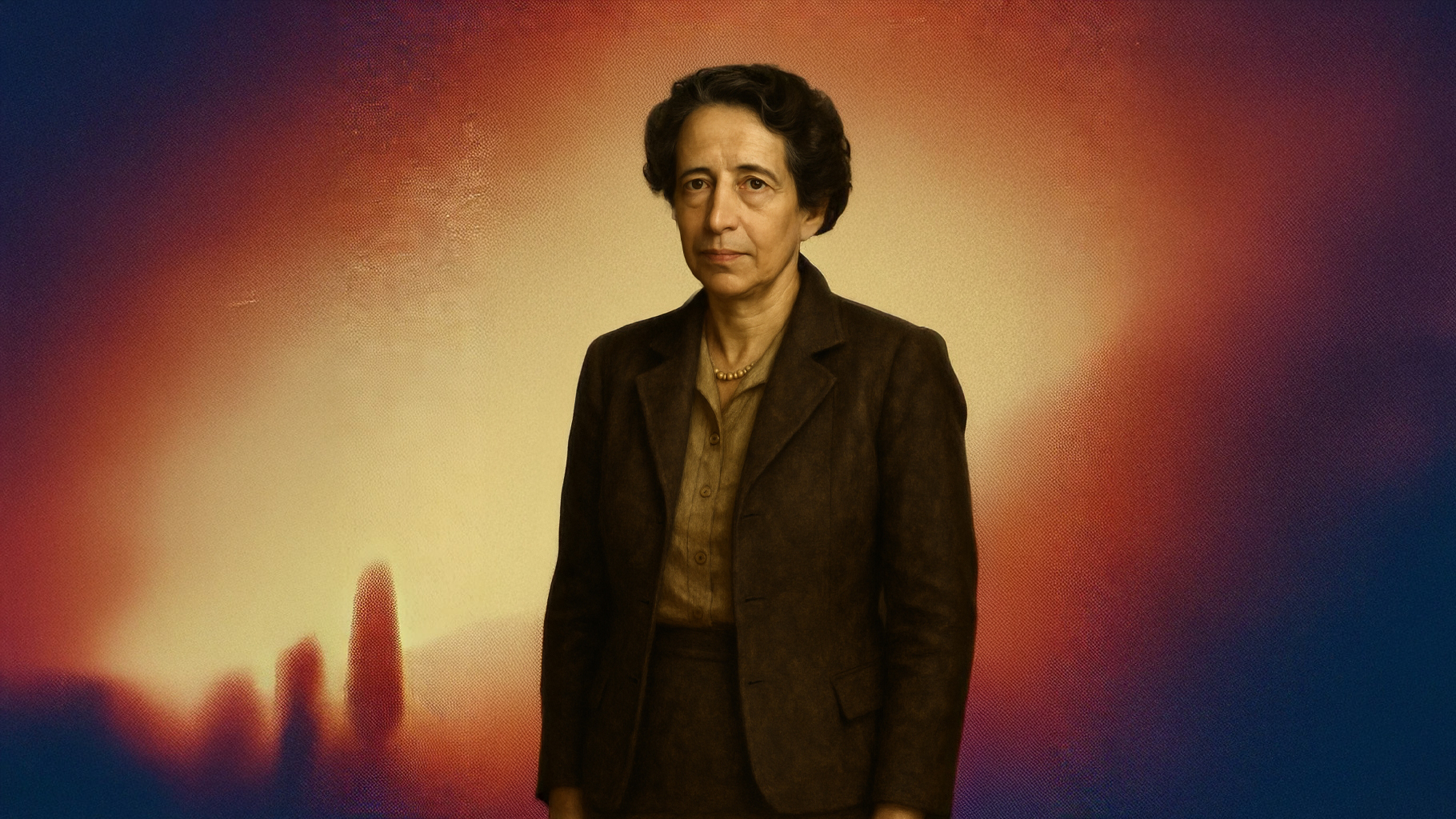
Hannah Arendt
German-born political thinker who explored totalitarianism, freedom, and the power of human judgment.

Simone de Beauvoir
French existentialist and feminist thinker who redefined gender with her revolutionary work The Second Sex.
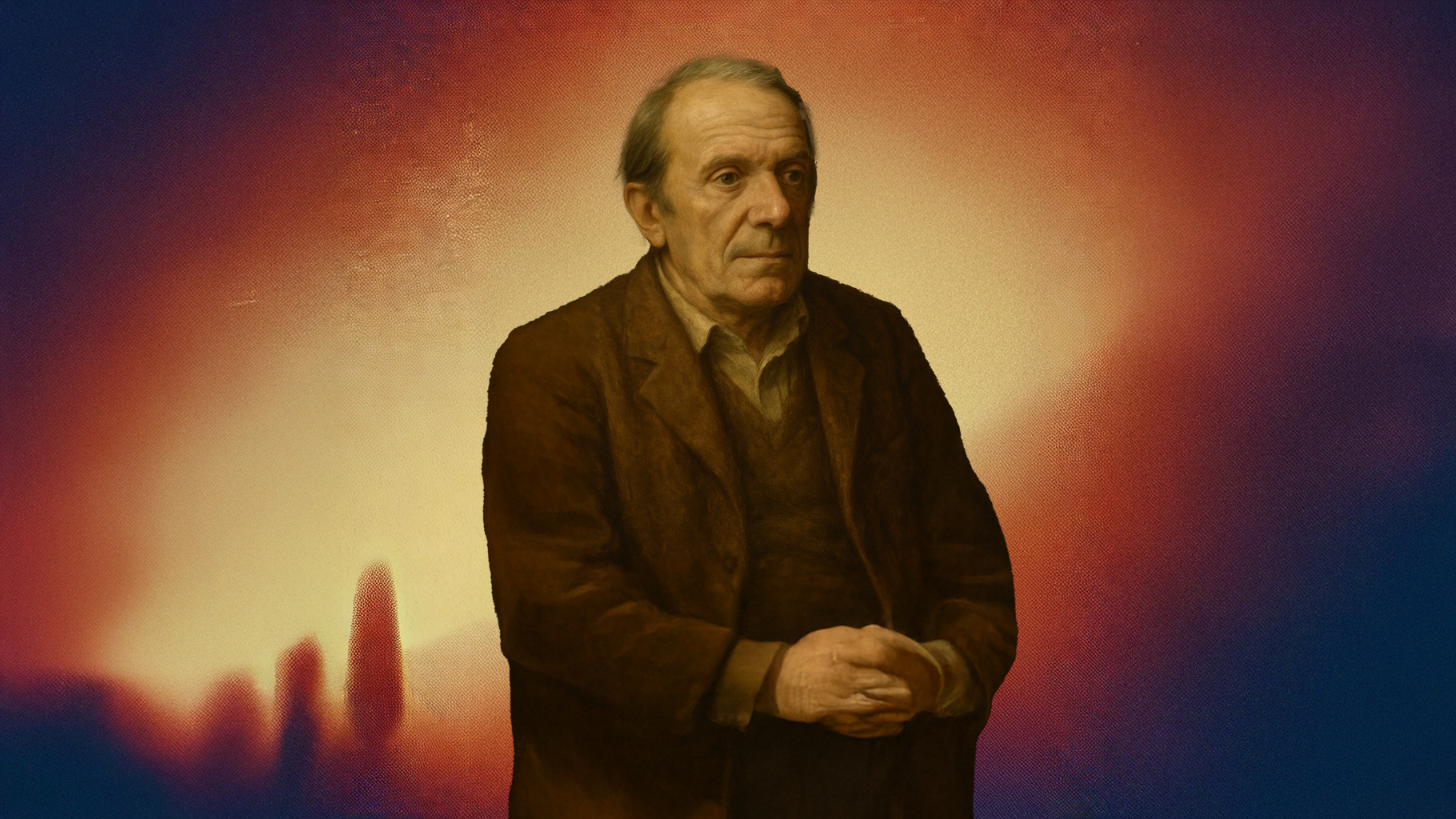
Gilles Deleuze
French philosopher known for his theories on difference, repetition, and desire, linked to post-structuralism.
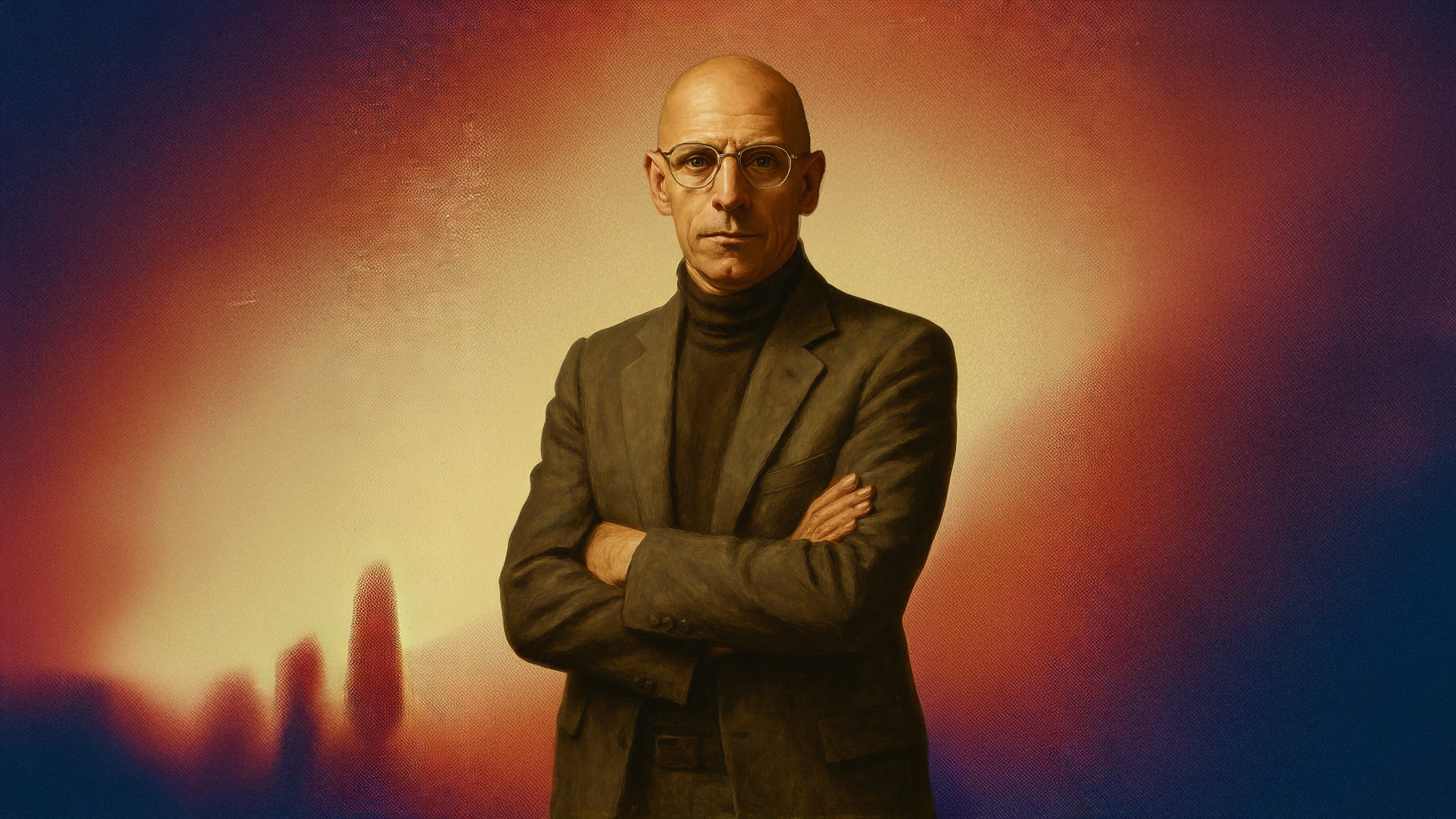
Michel Foucault
French philosopher who exposed how power and knowledge shape identity, truth, and modern life.
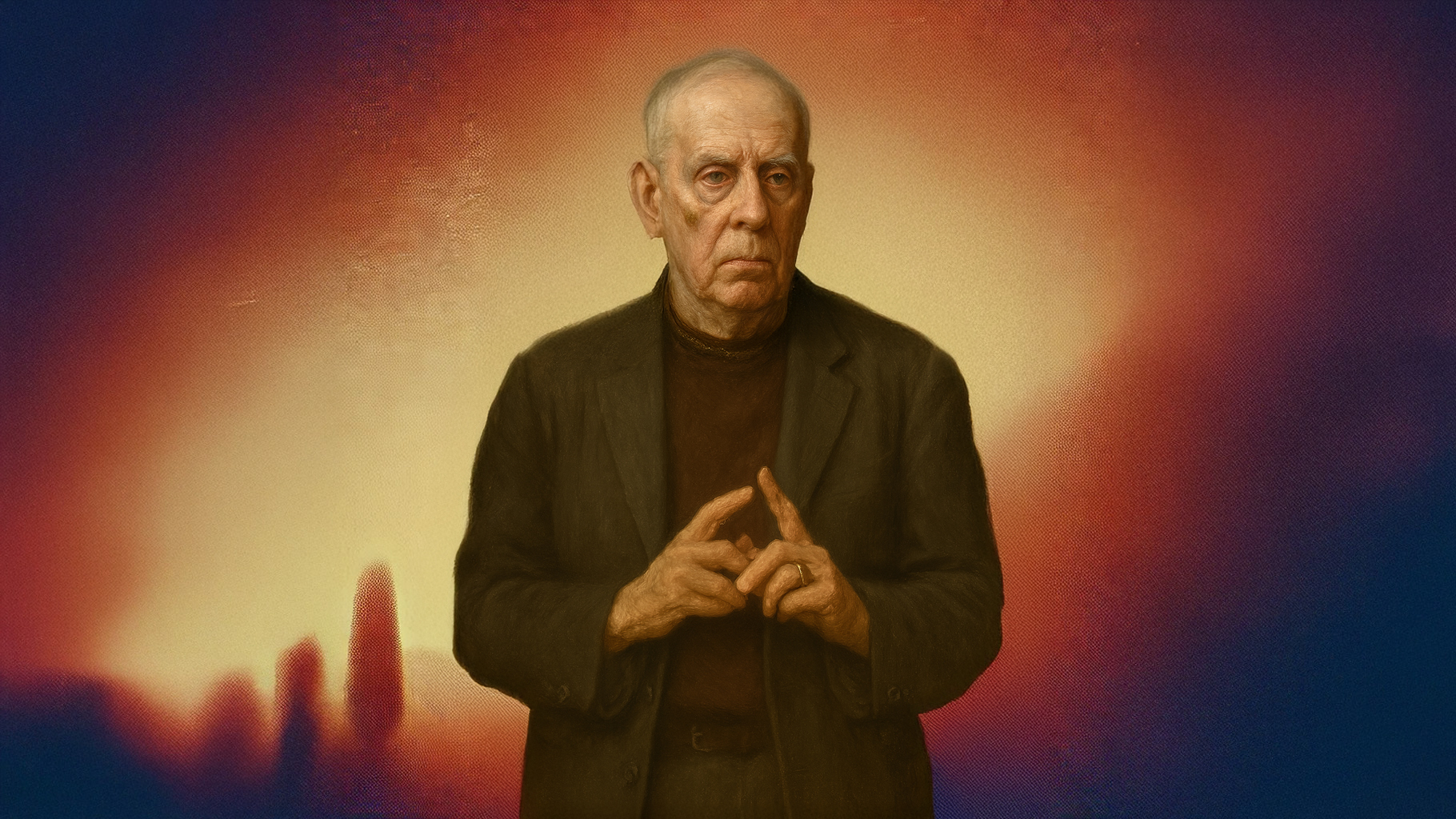
Alasdair MacIntyre
Scottish philosopher who revived virtue ethics and challenged modern moral thinking.

Simone Weil
French philosopher, mystic, and activist who believed attention, suffering, and duty reveal truth.

Tim Boerkamp
A modern philosopher exploring ancient wisdom through reflection, and a well-examined life.